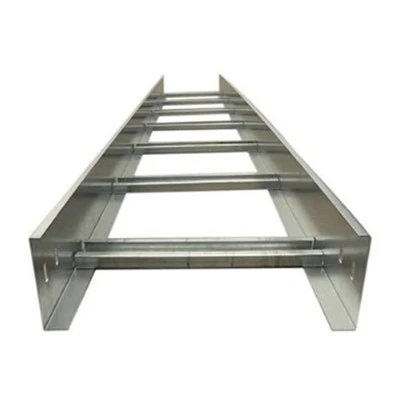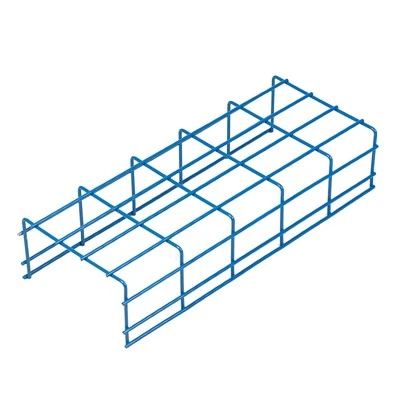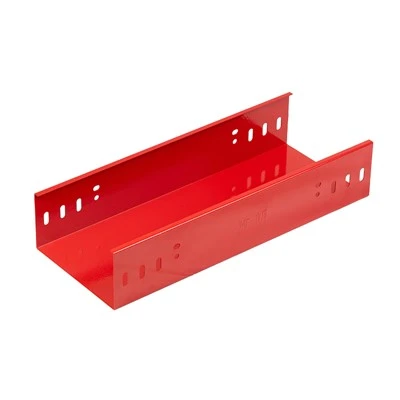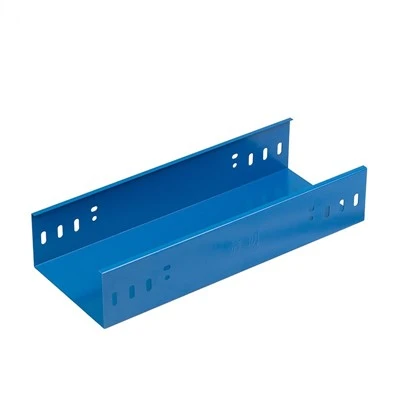

Aluminum alloy cable trays, or simply aluminum alloy cable trays, are constructed from aluminum alloy trays or ladders, consisting of straight sections, bends, accessories, and supports. They are continuous, rigid overall devices used to support cables. Based on the longitudinal beam type, they are classified as: Type A (lightweight), Type B (heavyweight), and Type C (extra-heavyweight); based on the shape of the components, they are classified as: straight sections, horizontal bends, tees/crosses, and vertical bends; based on the structural form, they can be classified as ladder trays and trough trays (with and without holes). Classification also includes aluminum alloy cable racks, trough-type cable trays, ladder-type cable trays, tray-type cable trays, and cable troughs.
Aluminum alloy cable trays are characterized by their aesthetic appearance, simple structure, strong load-bearing capacity, and light weight. After anodizing treatment, they possess corrosion resistance and electromagnetic interference resistance. The 6063-T5/T6 alloy system gives them a density of 2.7 g/cm³, a tensile strength ≥205 MPa, and the anodizing + electrophoretic composite anti-corrosion process passes the salt spray test for >1000 hours. Photovoltaic aluminum alloy cable trays weigh only one-third of steel ones, making them suitable for distributed photovoltaic systems and weight-sensitive applications. They also meet the lightweight requirements of rail transit, new energy industrial parks, and other fields. They offer excellent heat dissipation, and the reinforced crossbar structure in the middle enhances load-bearing capacity, making them suitable for large-diameter cable cabling.