
Aluminum alloys are a general term for alloys based on aluminum. The main alloying elements are copper, silicon, magnesium, zinc, and manganese, while minor alloying elements include nickel, iron, titanium, chromium, and lithium.
Aluminum alloys have low density but relatively high strength, approaching or exceeding that of high-quality steel. They have good plasticity and can be processed into various profiles. They also possess excellent electrical and thermal conductivity and corrosion resistance, making them widely used in industry, second only to steel in terms of usage.
Aluminum alloys are divided into two main categories: cast aluminum alloys, used in the as-cast state; and wrought aluminum alloys, which can withstand pressure processing and have higher mechanical properties than the as-cast state. They can be processed into various shapes and specifications of aluminum alloy materials. They are mainly used in the manufacture of aerospace equipment, daily necessities, and building doors and windows.
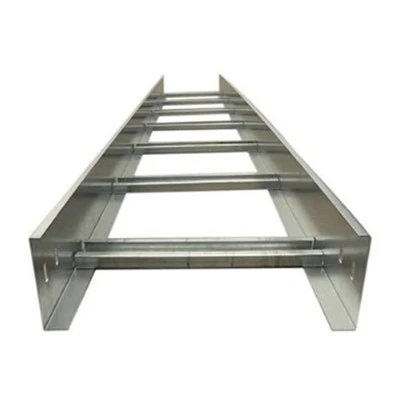
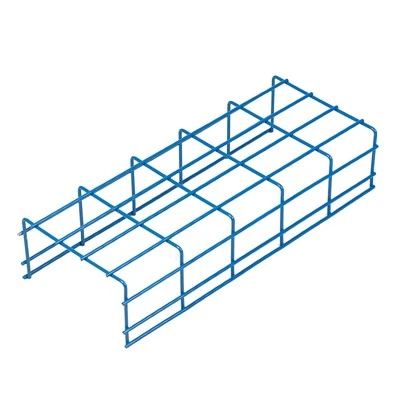
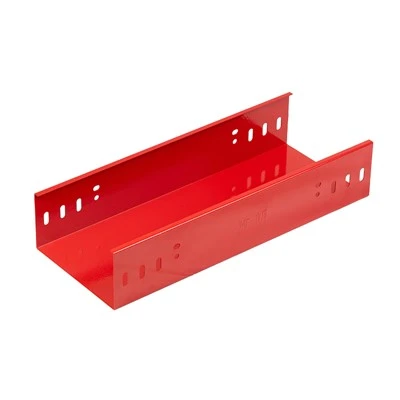
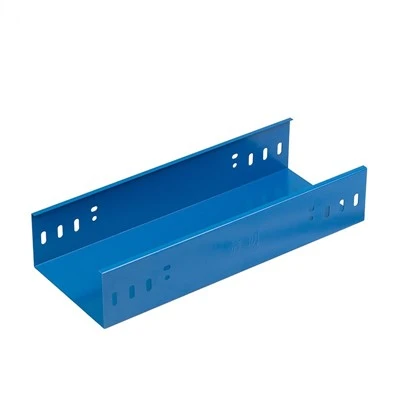
Aluminum alloy cable trays are characterized by their attractive appearance, simple structure, unique design, high load-bearing capacity, and light weight.