
1. For cable networks requiring shielding against electrical interference or protection from external influences (e.g., corrosive liquids, flammable dust), a composite anti-corrosion shielded cable tray (with cover) should be selected.
2. In highly corrosive environments, a composite epoxy resin anti-corrosion and flame-retardant cable tray should be used. Supports and brackets should also be made of the same material to improve the service life of the cable tray and accessories. Covers should be added in environments prone to dust accumulation or other areas requiring covering, or in outdoor locations.
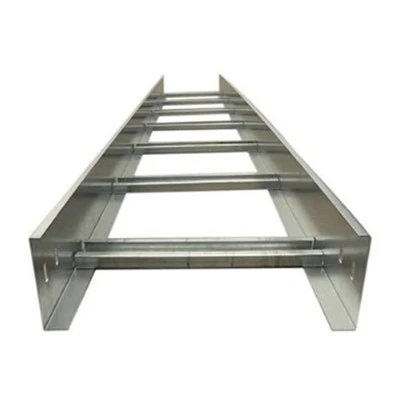
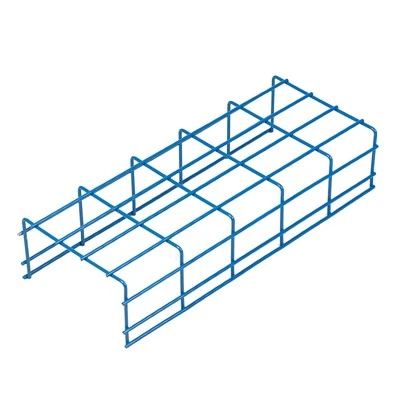
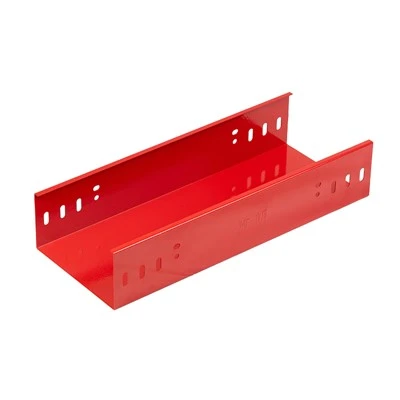
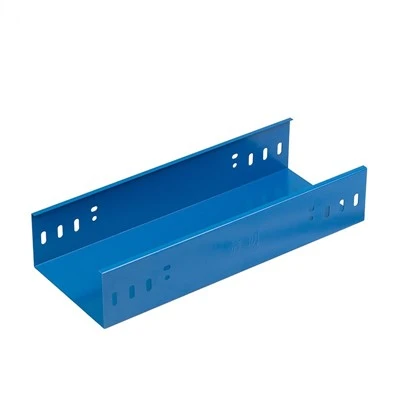
3. In addition to the above, tray-type, trough-type, ladder-type, glass anti-corrosion and flame-retardant cable trays, or ordinary steel cable trays can be selected according to the site environment and technical requirements. Covers should be added in environments prone to dust accumulation or other areas requiring covering, or in outdoor locations.
4. In public passageways or outdoor road crossings, a pad should be added to the bottom of the lowest ladder section, or a tray should be used in that section. 5. When crossing public passageways with large spans, the load-bearing capacity of the cable tray can be increased or a truss structure can be selected according to user requirements.
6. Composite cable trays should be selected for large spans (>3m).
7. Composite epoxy resin cable trays should be selected for outdoor applications.