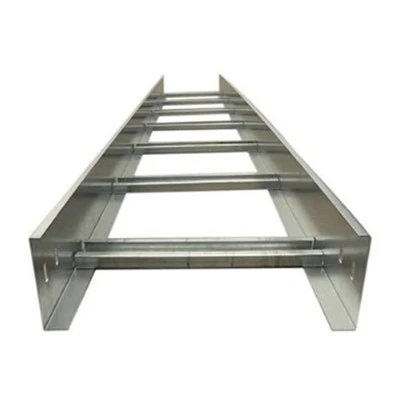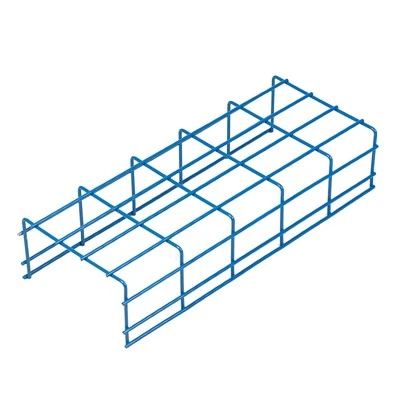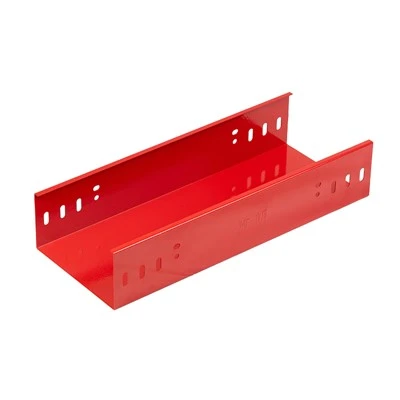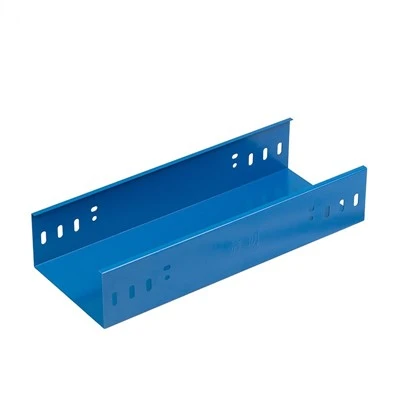

Choosing cable trays requires comprehensive consideration of material, specifications, and suitability for the application environment. For example, hot-dip galvanized steel or fiberglass cable trays are recommended for humid environments, while high-temperature resistant materials are necessary for high-temperature environments. In applications with high load-bearing requirements, the total weight of the cables must be calculated, and a safety margin should be factored in.
Installation must adhere to the following specifications: horizontal cable trays should not be spaced more than 2 meters apart, and vertical cable trays should not be spaced more than 3 meters apart; dedicated bends should be used at bends to prevent excessive cable bending; cables of different voltage levels should be laid in layers, with high-voltage cables placed on top. Regularly checking the cable tray fasteners for looseness and the integrity of the anti-corrosion coating further ensures the long-term stable operation of the system.