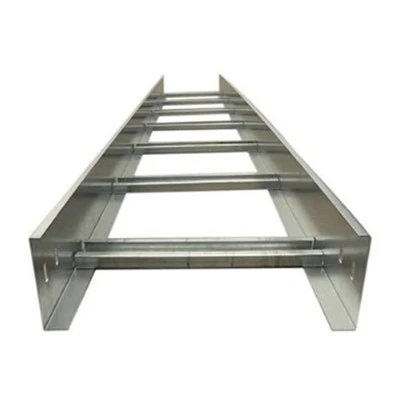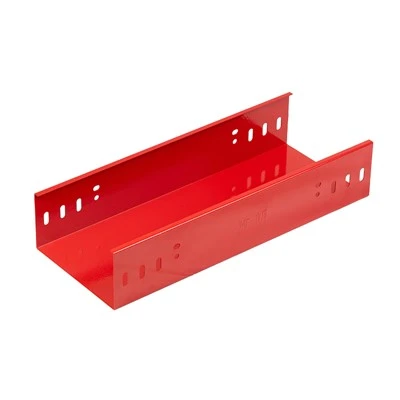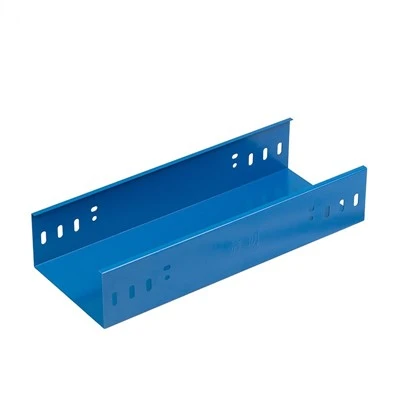

Stainless steel cable trays use 304 or 316 stainless steel as the base material. 304 stainless steel (grade: 06Cr19Ni10) is corrosion-resistant. For highly corrosive environments (such as chemical plants, coastal areas, and desulfurization/denitrification workshops), 316L stainless steel cable trays can be considered.
In terms of material, stainless steel cable trays use 304 or 316 stainless steel as the base material and contain alloying elements such as chromium and nickel, while galvanized cable trays use carbon steel as the base material, with a zinc layer formed on the surface through hot-dip galvanizing or cold galvanizing processes. Regarding corrosion resistance, stainless steel relies on its own alloy composition for corrosion resistance; the 316 grade can also resist acid and alkali corrosion, making it suitable for long-term exposure environments. Galvanized cable trays rely on the zinc layer for protection; once the zinc layer is damaged, the carbon steel base material is prone to rust, resulting in a shorter corrosion resistance lifespan. The applicable scenarios differ: stainless steel cable trays are mostly used in humid, acidic/alkali-prone areas, such as chemical workshops and coastal buildings, while galvanized cable trays are suitable for dry, ordinary places, such as office buildings and conventional factory cable laying. In terms of cost, stainless steel cable trays are generally more expensive than galvanized cable trays due to the higher material cost.