
What is the impact resistance of Aluminium Perforated Cable Tray?
As a trusted supplier of Aluminium Perforated Cable Tray, I've seen firsthand the critical role this product plays in the electrical and infrastructure industries. Today, I'd like to delve into the impact resistance of Aluminium Perforated Cable Tray, exploring what it means, why it matters, and how we ensure our products meet the highest standards.
Understanding Impact Resistance
Impact resistance refers to a material's ability to withstand sudden and forceful impacts without significant damage. In the context of Aluminium Perforated Cable Tray, it's about protecting the cables housed within from external forces such as accidental collisions, falling objects, or vibrations. When a cable tray lacks sufficient impact resistance, it can lead to deformation, breakage, or even failure, putting the cables at risk of damage and potentially causing disruptions to electrical systems.
Factors Affecting Impact Resistance of Aluminium Perforated Cable Tray
Several factors contribute to the impact resistance of Aluminium Perforated Cable Tray:
Material Quality
The quality of the aluminium used is paramount. High - grade aluminium alloys are more likely to have better mechanical properties, including higher strength and ductility. Ductility is particularly important as it allows the material to absorb the energy of an impact by deforming rather than cracking or shattering. At our company, we source only the finest aluminium alloys, ensuring that our cable trays are made from materials with optimal impact - resistant properties.
Perforation Design
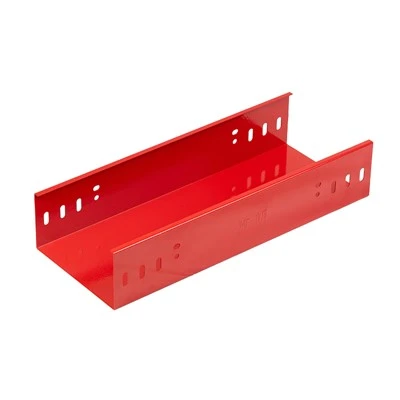
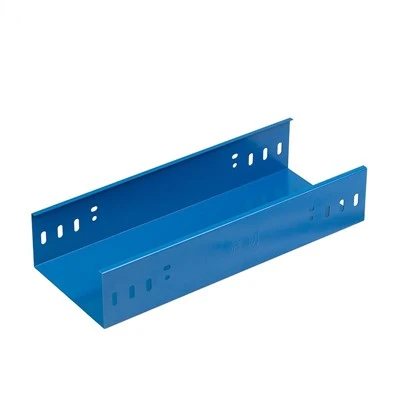
The pattern and size of the perforations on the cable tray also affect its impact resistance. A well - designed perforation pattern distributes stress evenly across the tray, preventing stress concentrations that could lead to failure. Smaller, regularly spaced perforations generally provide better impact resistance compared to large or irregularly shaped perforations, as they maintain the structural integrity of the tray more effectively.
Thickness of the Tray
The thickness of the aluminium sheet used to manufacture the cable tray is another critical factor. A thicker tray can withstand greater impact forces. However, it's important to strike a balance, as increasing thickness also adds weight and cost. Our team carefully selects the appropriate thickness for each type of cable tray based on its intended application and expected impact loads.
Why Impact Resistance Matters
In industrial and commercial settings, cable trays are often exposed to a variety of hazards that can cause impacts. For example, in a manufacturing plant, heavy machinery may accidentally collide with the cable trays during operation. In a construction site, tools or building materials could fall onto the trays. Even in a data center, where the environment is more controlled, maintenance activities can pose a risk of impact.


If a cable tray fails due to a lack of impact resistance, it can lead to costly downtime as the damaged cables need to be repaired or replaced. Moreover, it can compromise the safety of the electrical system, potentially leading to short circuits, fires, or electrical shocks. Therefore, ensuring that the cable trays have adequate impact resistance is essential for the reliable and safe operation of electrical infrastructure.
Our Approach to Ensuring High Impact Resistance
As a supplier, we take several steps to ensure that our Aluminium Perforated Cable Tray offers superior impact resistance:
Rigorous Material Testing
Before using any aluminium alloy in our manufacturing process, we conduct a series of tests to evaluate its mechanical properties. These tests include tensile strength testing, hardness testing, and impact testing. Only materials that meet our strict quality standards are used in the production of our cable trays.
Advanced Manufacturing Techniques
We employ state - of - the - art manufacturing techniques to produce cable trays with consistent quality. Our manufacturing process includes precision punching to create the perforations, which ensures that the perforation pattern is accurate and well - distributed. We also use modern forming and bending techniques to shape the trays, maintaining their structural integrity and enhancing their impact resistance.
Customized Solutions
We understand that different applications have different impact - resistant requirements. That's why we offer customized Aluminium Perforated Cable Tray solutions. Whether you need a tray for a high - risk industrial environment or a more lightweight solution for a commercial building, our team can work with you to design and manufacture a cable tray that meets your specific needs.
Comparing Aluminium Perforated Cable Tray with Other Types of Cable Trays
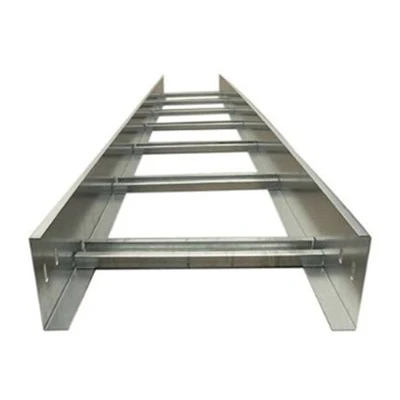
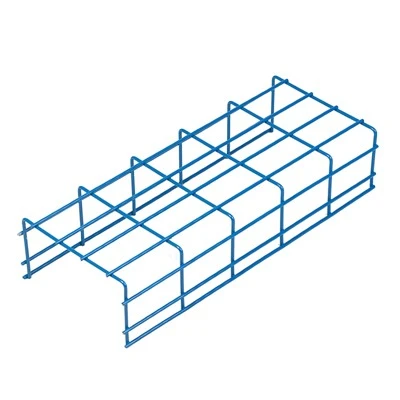
When considering impact resistance, it's worth comparing Aluminium Perforated Cable Tray with other popular types of cable trays, such as Aluminum Trough Tray and Single Rail Aluminum Cable Tray.
Aluminum Trough Tray provides a solid, enclosed structure, which can offer good protection against impacts from various angles. However, it may be heavier and less ventilated compared to Aluminium Perforated Cable Tray. On the other hand, Single Rail Aluminum Cable Tray is more lightweight and flexible, but it may have limited impact resistance, especially in applications where there is a high risk of side - on impacts.
Aluminium Perforated Cable Tray strikes a balance between impact resistance, ventilation, and weight. The perforations allow for air circulation, which helps to cool the cables and prevent overheating, while still providing sufficient strength to withstand impacts.
How to Evaluate the Impact Resistance of Aluminium Perforated Cable Tray
If you're in the market for Aluminium Perforated Cable Tray, there are several ways to evaluate its impact resistance:
Check Manufacturer Specifications
Reputable manufacturers, like our company, provide detailed specifications about the impact - resistant properties of their products. These specifications may include the maximum impact force the tray can withstand, as well as the results of any impact tests conducted on the product.
Request Samples
Most suppliers are willing to provide samples of their cable trays. You can conduct simple impact tests on these samples, such as dropping a weight from a certain height onto the tray and observing the damage. This can give you a rough idea of the tray's impact resistance.
Look for Industry Certifications
Industry certifications, such as UL (Underwriters Laboratories) or IEC (International Electrotechnical Commission) certifications, can be a good indicator of a product's quality and impact resistance. Products that meet these standards have undergone rigorous testing and are more likely to perform well in real - world applications.
Conclusion
The impact resistance of Aluminium Perforated Cable Tray is a crucial factor in ensuring the safety and reliability of electrical systems. By understanding the factors that affect impact resistance, such as material quality, perforation design, and tray thickness, you can make an informed decision when choosing a cable tray for your project.
As a leading supplier of Aluminium Perforated Cable Tray, we are committed to providing high - quality products that offer superior impact resistance. Our advanced manufacturing techniques, rigorous quality control, and customized solutions ensure that our cable trays meet the diverse needs of our customers.
If you're interested in learning more about our Aluminium Perforated Cable Tray or would like to discuss your specific requirements, please feel free to reach out to us. We look forward to the opportunity to work with you and provide the best cable tray solutions for your project.
References
- ASTM International. (20XX). Standard test methods for mechanical testing of aluminium and aluminium alloys.
- International Electrotechnical Commission. (20XX). IEC standards for cable management systems.
- Underwriters Laboratories. (20XX). UL standards for cable trays.