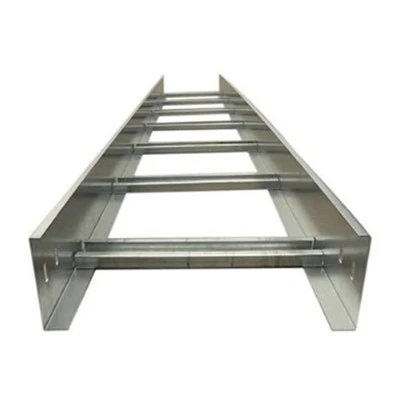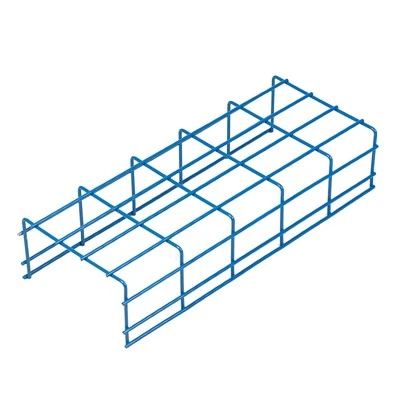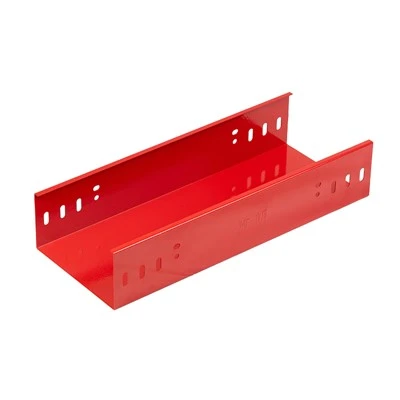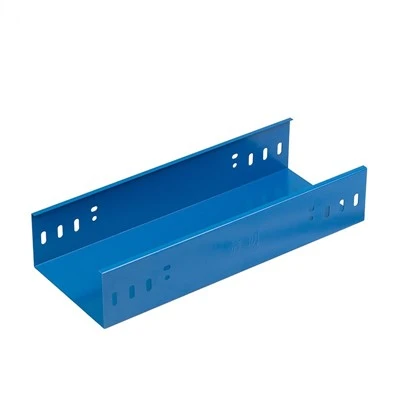

1. In engineering design, the layout of cable trays should be determined by comprehensively comparing factors such as economic rationality, technical feasibility, and operational safety, while also fully meeting the requirements of construction, installation, maintenance, and cable laying.
2. When cable trays are laid horizontally, the height from the ground should generally not be less than 2.5m. When laid vertically, the portion below 1.8m from the ground should be protected with a metal cover, except when laid in a dedicated electrical room. If cable trays are laid horizontally in equipment mezzanines or walkways and are below 2.5m, protective grounding measures should be implemented.
3. Cable trays, cable ducts, and their supports used in corrosive environments should be made of corrosion-resistant rigid materials or undergo anti-corrosion treatment. The anti-corrosion treatment method should meet the requirements of the engineering environment and durability. For locations requiring high corrosion resistance or cleanliness, aluminum alloy cable trays are recommended.
4. In sections with fire protection requirements, cable trays can be constructed with fire-resistant or flame-retardant boards, mesh, or other materials to form a closed or semi-closed structure within the cable ladders or trays. Measures such as applying fire-retardant coatings to the surfaces of the cable trays and their supports should be taken to ensure that the overall fire resistance meets the requirements of relevant national specifications or standards. Aluminum alloy cable trays are not recommended for locations with high fire protection requirements.
5. For cable lines requiring shielding against electromagnetic interference, or in environments requiring protection from external influences such as outdoor sunlight, oil, corrosive liquids, or flammable dust, non-perforated tray-type cable trays should be selected.
6. In locations where dust easily accumulates, cable trays should be covered. In public passageways or outdoor road crossings, pads should be added to the bottom layer of the cable tray, or non-perforated trays should be used.