
Hey there! As a supplier of Aluminum Trough Tray, I often get asked the question: “Do aluminum trough trays require grounding?” Let’s dive into this topic and break it down in a way that’s easy to understand.
What are Aluminum Trough Trays Anyway?
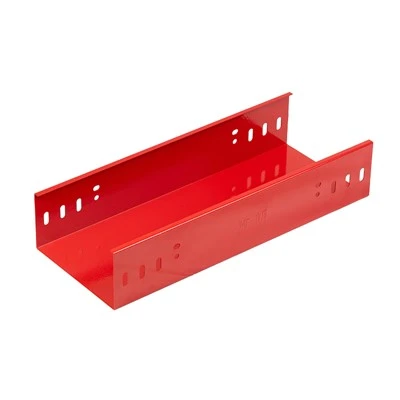
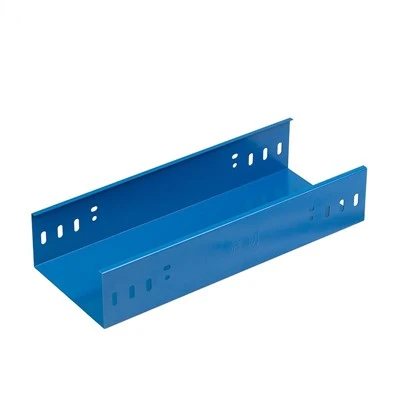
First off, if you’re not familiar with Aluminum Trough Tray, let me give you a quick rundown. These trays are a type of cable management system made from aluminum. They’re super useful for carrying and protecting electrical cables in different settings, like industrial plants, commercial buildings, and even some residential areas. They come in handy because they can hold a good amount of cables neatly and help prevent any damage to the cables from things like mechanical stress or environmental factors.
Why Grounding is a Big Deal
Grounding is basically creating a path for electrical current to flow safely into the ground in case something goes wrong. This is crucial for safety reasons. When electrical systems malfunction, there can be a build - up of excess electrical charge. If there’s no proper grounding, this excess charge can cause electrical shocks to people or damage to equipment. It can also lead to fires, which is definitely not something anyone wants.
Do Aluminum Trough Trays Need Grounding?
The answer is, it depends. In most cases, aluminum trough trays do require grounding. Aluminum is a good conductor of electricity, and when it’s used to house electrical cables, it can become energized if there’s a fault in the electrical system. For example, if a cable inside the tray gets damaged and touches the tray, the tray can then carry electrical current. Without grounding, anyone who comes into contact with the tray could get shocked.
However, there are some situations where grounding might not be strictly necessary. If the aluminum trough tray is used in a low - voltage, non - critical electrical system where the risk of electrical shock or fire is extremely low, and local electrical codes allow it, you might not need to ground it. But this is the exception rather than the rule.
How to Ground Aluminum Trough Trays
If you’ve decided that your aluminum trough tray needs grounding (which is likely), here’s how you can do it. First, you need to connect the tray to a grounding electrode. This can be a metal rod driven into the ground or a metal water pipe that’s in contact with the earth. You’ll use a grounding conductor, which is usually a copper wire, to make this connection.
The connection between the tray and the grounding conductor should be secure. You can use grounding clamps, which are designed to make a good electrical connection between the metal of the tray and the grounding wire. Make sure the clamp is tightened properly so that there’s no loose connection that could increase resistance and reduce the effectiveness of the grounding.
Comparing with Other Types of Aluminum Cable Trays
It’s also interesting to compare the grounding requirements of aluminum trough trays with other types of aluminum cable trays, like Single Rail Aluminum Cable Tray and Aluminium Perforated Cable Tray.
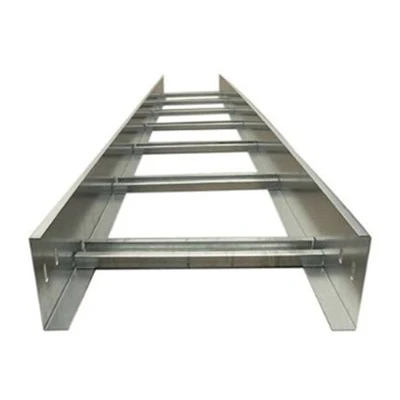
Single rail aluminum cable trays are a bit different in structure. They usually have a more open design compared to trough trays. But like trough trays, they also need to be grounded in most electrical systems. The open design might make it a bit easier to access the tray for grounding connections, but the principle remains the same. If there’s a fault in the electrical system, the tray can become energized, and grounding is necessary to protect people and equipment.
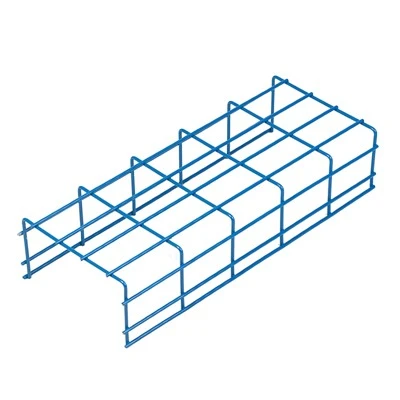
Aluminium perforated cable trays have holes in them, which allow for better ventilation and drainage. This type of tray also requires grounding. The perforations don’t change the fact that if electrical current from a faulty cable touches the tray, it can spread the current, and grounding provides a safe way to divert that current.


Importance of Following Electrical Codes
No matter what type of aluminum cable tray you’re using, it’s really important to follow local electrical codes. These codes are in place to ensure the safety of everyone involved. Electrical codes vary from place to place, so it’s a good idea to check with your local electrical authority or a professional electrician. They can tell you exactly what the requirements are for grounding your aluminum trough tray or any other type of cable tray.
If you don’t follow the electrical codes, you could be putting yourself, your employees, or the building occupants at risk. You might also run into legal issues if there’s an accident that could have been prevented by proper grounding.
When to Consult a Professional
While I’ve given you a general idea of the grounding requirements for aluminum trough trays, there are times when it’s best to consult a professional electrician. For example, if you’re working on a large - scale industrial project with a complex electrical system, an electrician can do a proper risk assessment. They can determine the best grounding method based on the specific conditions of your project, like the type of cables being used, the environment the tray is in (e.g., wet or dry), and the electrical load.
If you’re not sure about the electrical codes in your area, a professional can also help you navigate through them. They have the knowledge and experience to make sure everything is done correctly and safely.
Conclusion and Call to Action
So, to sum it up, in most cases, aluminum trough trays do require grounding for safety reasons. Whether you’re using them in a small commercial building or a large industrial plant, proper grounding is essential to prevent electrical shock, equipment damage, and fires. And if you’re considering other aluminum cable trays like single rail or perforated ones, the same principle applies.
If you’re in the market for high - quality Aluminum Trough Tray, Single Rail Aluminum Cable Tray, or Aluminium Perforated Cable Tray, look no further. We offer top - notch products that meet the highest industry standards. If you have any questions about our products or need advice on grounding, don’t hesitate to reach out. We’re here to help you make the best choice for your electrical cable management needs.
References
- “National Electrical Code” by the National Fire Protection Association
- Textbooks on Electrical Engineering and Safety