
When it comes to cable management systems, U - shaped Steel Cable Ladder and C - shaped cable ladder are two widely used solutions. As a supplier of U‑shaped Steel Cable Ladder, I have witnessed firsthand the unique characteristics and applications of both types of cable ladders. In this blog, I will delve into the differences between them to help you make an informed decision for your cable management needs.
1. Structural Design
The most obvious difference between U - shaped Steel Cable Ladder and C - shaped cable ladder lies in their structural designs.


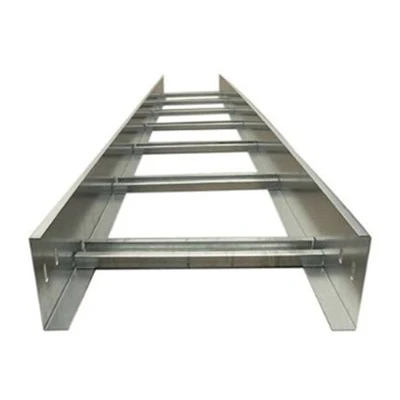
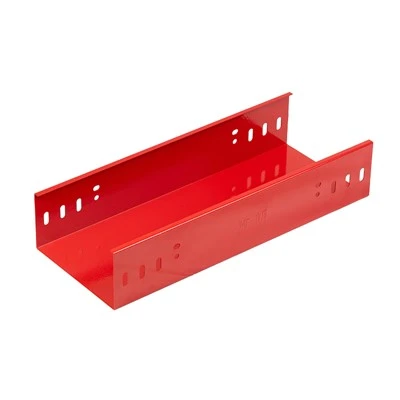
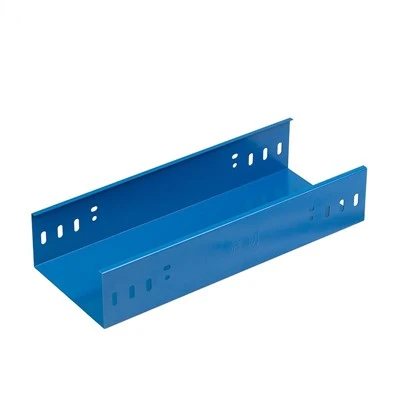
A U - shaped Steel Cable Ladder, as the name implies, has a cross - section that resembles the letter 'U'. This design features two parallel side rails connected at the bottom, creating an open and relatively flat surface on top. The open - top design allows for easy access to the cables, making it convenient for installation, maintenance, and cable addition or removal. The wide - open space provides ample room for cables to be neatly organized without the risk of over - crowding. For example, in large - scale data centers where numerous cables need to be laid out, the U - shaped design enables efficient cable routing and minimizes the chance of cable entanglement.
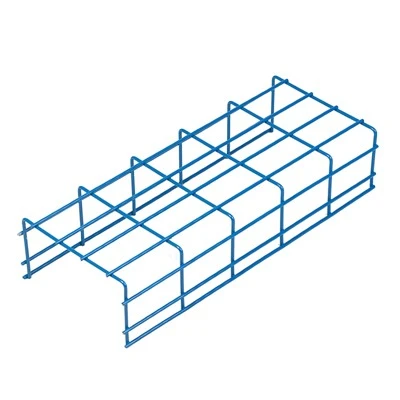
On the other hand, a C - shaped cable ladder has a cross - section in the shape of the letter 'C'. It typically has one open side and a curved or angled shape. This design provides a certain degree of protection for the cables on the inside of the 'C'. The closed - side offers shielding from external factors such as dust, debris, and mechanical damage. It is often used in environments where the cables need to be safeguarded to some extent, like industrial settings with high levels of dust or in areas where there is a risk of accidental impact from moving equipment.
2. Material and Durability
U - shaped Steel Cable Ladders are usually made of steel, which offers high strength and durability. Steel can withstand heavy loads, making it suitable for supporting a large number of cables, especially in commercial and industrial applications. The steel used in these ladders is often galvanized or coated to prevent corrosion. Galvanization involves applying a layer of zinc to the steel surface, which acts as a sacrificial anode, protecting the steel from rusting. This makes U - shaped Steel Cable Ladders ideal for outdoor installations or in harsh environments where exposure to moisture, chemicals, or extreme temperatures is common.
C - shaped cable ladders can be made from a variety of materials, including steel, aluminum, and fiberglass. Aluminum C - shaped cable ladders, such as Aluminum Ladder Cable Tray, are lightweight yet corrosion - resistant. They are a popular choice for applications where weight is a concern, such as in high - rise buildings or on structures with limited load - bearing capacity. Fiberglass C - shaped cable ladders are non - conductive and have excellent chemical resistance, making them suitable for use in electrical substations or chemical plants.
3. Cable Capacity and Organization
In terms of cable capacity, U - shaped Steel Cable Ladders generally offer a higher capacity due to their open - top design. The flat and wide surface allows for cables of different sizes and types to be laid side by side without much restriction. This makes it easier to manage a large number of cables, especially when dealing with complex cable systems. For instance, in a telecommunications network, where multiple fiber optic cables, coaxial cables, and power cables need to be installed together, a U - shaped Steel Cable Ladder can accommodate them all in an organized manner.
C - shaped cable ladders, while they can also hold a significant number of cables, may have some limitations in terms of cable organization. The curved or angled shape can make it a bit more challenging to lay cables neatly, especially when there are a large number of cables. However, the enclosed nature of the 'C' shape can help keep the cables in place and prevent them from shifting or falling out.
4. Installation and Maintenance
U - shaped Steel Cable Ladders are relatively easy to install. Their open - top design allows for quick and straightforward cable installation. The parallel side rails can be easily mounted on walls, ceilings, or other support structures using standard mounting hardware. Maintenance is also hassle - free as cables can be easily accessed for inspection, repair, or replacement. In case of any cable changes or additions, workers can simply reach into the ladder and make the necessary adjustments.
C - shaped cable ladders may require a bit more effort during installation. The curved shape may need special mounting brackets or fixtures to ensure proper alignment and stability. Maintenance can also be more complicated as accessing the cables inside the 'C' may be more difficult, especially if the cables are tightly packed. However, in environments where additional protection is required, the trade - off in installation and maintenance may be worth it.
5. Cost
The cost of U - shaped Steel Cable Ladder and C - shaped cable ladder can vary depending on several factors such as material, size, and quantity. Generally, U - shaped Steel Cable Ladders are more cost - effective when it comes to large - scale projects. The steel material is relatively inexpensive, and the simple design allows for efficient mass production. Additionally, the ease of installation and maintenance can also reduce overall project costs in the long run.
C - shaped cable ladders made from aluminum or fiberglass may be more expensive, especially if they are custom - made or have special features. However, the added benefits of lightweight, corrosion resistance, or non - conductivity may justify the higher cost in certain applications.
6. Applications
U - shaped Steel Cable Ladders are commonly used in a wide range of applications. In data centers, they are used to support the vast number of network cables, power cables, and fiber optic cables. They are also popular in industrial plants for cable management in machinery areas. Telecom Cable Ladder is often designed in a U - shaped configuration to meet the high - density cable requirements of the telecommunications industry.
C - shaped cable ladders find their applications in environments where cable protection is a priority. In industrial facilities with high levels of dust, debris, or mechanical hazards, C - shaped ladders can shield the cables from damage. Telecom U‑channel Cable Ladder may use the C - shaped design to protect sensitive telecommunications cables from external interference. Aluminum Extruded Cable Ladder, which can be in a C - shaped form, is often used in applications where weight reduction and corrosion resistance are crucial, such as in marine or offshore installations.
In conclusion, both U - shaped Steel Cable Ladder and C - shaped cable ladder have their own unique advantages and are suitable for different applications. When choosing between them, you need to consider factors such as cable capacity, installation environment, budget, and cable protection requirements. If you are unsure which type of cable ladder is right for your project, feel free to contact me. I can provide you with professional advice and high - quality U‑shaped Steel Cable Ladder products to meet your specific needs.
References
- Cable Management Handbook, Third Edition
- Industrial Electrical Installation Guide
- Telecommunications Cable Installation Best Practices