
As a supplier of enclosed cable trays, I understand the critical importance of fire resistance in cable management systems. Fire incidents can cause significant damage to infrastructure, disrupt operations, and pose serious safety risks. Therefore, improving the fire - resistance of enclosed cable trays is not only a technical challenge but also a responsibility to ensure the safety and reliability of electrical installations. In this blog, I will share some effective strategies and methods to enhance the fire - resistance of enclosed cable trays.
1. Material Selection
The choice of materials is fundamental in determining the fire - resistance of an enclosed cable tray. High - quality fire - resistant materials can significantly reduce the spread of fire and limit the damage caused by heat.
Fire - Resistant Metals
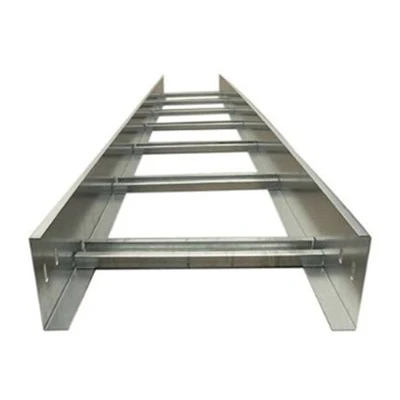
Metals such as stainless steel and galvanized steel are commonly used in cable tray manufacturing due to their inherent fire - resistant properties. Stainless steel has excellent heat resistance and can maintain its structural integrity at high temperatures. Galvanized steel, on the other hand, has a protective zinc coating that can slow down the oxidation process during a fire. For example, our Large Span Cable Tray is made of high - grade galvanized steel, which provides good fire - resistance and long - term durability.
Fire - Resistant Plastics
Some advanced fire - resistant plastics can also be used in cable tray construction. These plastics are formulated to have a high ignition temperature and low flammability. They can self - extinguish when the source of ignition is removed, which helps to prevent the spread of fire. However, it is important to ensure that these plastics meet relevant fire - safety standards.
2. Design Optimization
The design of the enclosed cable tray can also play a crucial role in improving its fire - resistance.
Sealed Construction
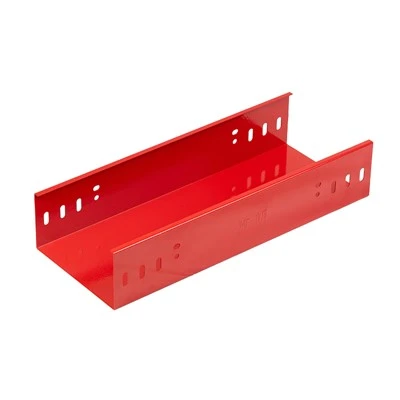
A well - sealed enclosed cable tray can prevent the entry of fire and smoke. By minimizing the gaps and openings in the tray, we can reduce the oxygen supply to the cables inside, which helps to slow down the combustion process. Our Solid Bottom Type Cable Tray has a sealed bottom design, which effectively isolates the cables from external fire sources.
Ventilation Design
While a sealed design is important, proper ventilation is also necessary to dissipate heat and prevent the build - up of pressure inside the cable tray during a fire. A balanced ventilation design can help to maintain the integrity of the tray and reduce the risk of explosion. For example, some cable trays are designed with small ventilation holes that allow heat to escape while still providing a certain degree of protection against fire.
Compartmentalization
Dividing the enclosed cable tray into compartments can limit the spread of fire. Each compartment can act as a fire - barrier, preventing the fire from spreading to other parts of the tray. This design is especially useful in large - scale cable installations where multiple cables are routed through the same tray.
3. Fire - Retardant Coatings
Applying fire - retardant coatings to the surface of the enclosed cable tray is an effective way to enhance its fire - resistance.
Intumescent Coatings
Intumescent coatings are a popular choice for cable trays. When exposed to high temperatures, these coatings expand and form a thick, insulating layer. This layer can protect the underlying material from the heat of the fire and slow down the combustion process. Intumescent coatings can be applied to both metal and plastic cable trays.
Fire - Resistant Paints
Fire - resistant paints can also provide an additional layer of protection. These paints are formulated to have high heat - resistance and can prevent the surface of the cable tray from catching fire. They are relatively easy to apply and can be a cost - effective solution for improving fire - resistance.


4. Cable Selection and Arrangement
The type of cables used in the enclosed cable tray and their arrangement can also affect the fire - resistance of the overall system.
Fire - Resistant Cables
Using fire - resistant cables is essential. These cables are designed to maintain their electrical integrity during a fire, which helps to ensure the continuous operation of critical systems. They are usually made of materials with high heat - resistance and low flammability.
Proper Cable Arrangement
Proper cable arrangement can also reduce the risk of fire. Cables should be arranged in a way that allows for good ventilation and heat dissipation. Overcrowding of cables can increase the temperature inside the cable tray and increase the risk of fire. For example, separating different types of cables and providing sufficient space between them can help to improve the fire - resistance of the system.
5. Regular Maintenance and Inspection
Regular maintenance and inspection of the enclosed cable tray are necessary to ensure its fire - resistance over time.
Cleaning
Regular cleaning of the cable tray can remove dust, debris, and other flammable materials that may accumulate on the surface. This can reduce the risk of fire and improve the overall performance of the tray.
Inspection for Damage
Inspecting the cable tray for any signs of damage, such as cracks, corrosion, or loose connections, is important. Damaged parts can compromise the fire - resistance of the tray and should be repaired or replaced in a timely manner.
6. Compliance with Standards
Ensuring that the enclosed cable tray complies with relevant fire - safety standards is crucial. Different countries and industries have specific standards and regulations regarding the fire - resistance of cable management systems. For example, in the United States, the National Fire Protection Association (NFPA) has established standards for cable trays, such as NFPA 70 (National Electrical Code) and NFPA 13 (Standard for the Installation of Sprinkler Systems). By complying with these standards, we can ensure that the cable tray meets the necessary fire - safety requirements.
Conclusion
Improving the fire - resistance of an enclosed cable tray requires a comprehensive approach that includes material selection, design optimization, the use of fire - retardant coatings, proper cable selection and arrangement, regular maintenance and inspection, and compliance with standards. As a supplier of enclosed cable trays, we are committed to providing high - quality products that meet the highest fire - safety standards.
If you are interested in our enclosed cable trays or have any questions about improving fire - resistance, please feel free to contact us for procurement and negotiation. We are here to provide you with the best solutions for your cable management needs.
References
- National Fire Protection Association (NFPA). NFPA 70: National Electrical Code.
- National Fire Protection Association (NFPA). NFPA 13: Standard for the Installation of Sprinkler Systems.
- Industry research reports on cable tray fire - resistance.