
Hey there! If you're gearing up for a DIY industrial cable tray project, you're in the right place. I'm an industrial cable tray supplier, and I've seen firsthand how having the right materials can make or break a project. Let's dive into what you'll need to get your DIY cable tray up and running smoothly.
Metal Sheets
The backbone of any industrial cable tray is the metal sheet. You've got a few options here, and each has its own pros and cons. Steel is a popular choice because it's super strong and can handle a lot of weight. It's also pretty resistant to corrosion if it's properly coated. Galvanized steel is even better in terms of corrosion resistance, as the zinc coating acts as a protective barrier. Stainless steel is another great option, especially if you're working in a harsh environment where corrosion is a major concern. It's more expensive than regular steel, but it's worth it for its durability and long - term performance.
Fasteners
Fasteners are what hold your cable tray together, so you can't skimp on them. Bolts, nuts, and washers are the basic fasteners you'll need. Make sure they're the right size and strength for your cable tray. Hex bolts are commonly used because they're easy to install and provide a good amount of holding power. You'll also need lock washers to prevent the nuts from coming loose over time, especially if there's any vibration or movement in the area where the cable tray is installed. For a more permanent solution, you might consider using rivets. They're great for joining metal sheets together and can provide a strong, reliable connection.
Supports
Your cable tray needs proper support to stay in place and function correctly. Wall - mounts are a common way to support cable trays, especially if you're installing them against a wall. They come in different sizes and designs to fit different cable tray widths and weights. Floor stands are another option if you're installing the cable tray on the floor. They're usually adjustable, which allows you to set the height of the cable tray as needed. You can also use ceiling hangers if you're mounting the cable tray from the ceiling.
Cables
Of course, what's a cable tray without cables? You need to choose the right type of cables for your application. Power cables are used to carry electrical power, and they come in different sizes and ratings depending on the amount of power they need to carry. Data cables, on the other hand, are used for transmitting data, such as Ethernet cables or fiber optic cables. Make sure to measure the length of the cables you need accurately to avoid any shortages or excess.
Tools
To assemble your DIY industrial cable tray, you'll need a few essential tools. A drill is a must - have for making holes in the metal sheets for fasteners. You'll also need a wrench to tighten the bolts and nuts. A measuring tape is important for getting the right dimensions when cutting and assembling the cable tray. A hacksaw or a metal cutter can be used to cut the metal sheets to the desired size. Safety goggles and gloves should also be worn at all times to protect yourself from sharp edges and metal debris.
Accessories
There are some accessories that can enhance the functionality of your cable tray. Cable ties are great for organizing and securing cables within the tray. They come in different sizes and colors, allowing you to color - code your cables for easier identification. Cable separators can be used to keep different types of cables separated, which helps to prevent interference and makes it easier to manage the cables. Grounding straps are also important for safety reasons, as they help to prevent electrical shocks by providing a path for electrical current to flow to the ground.
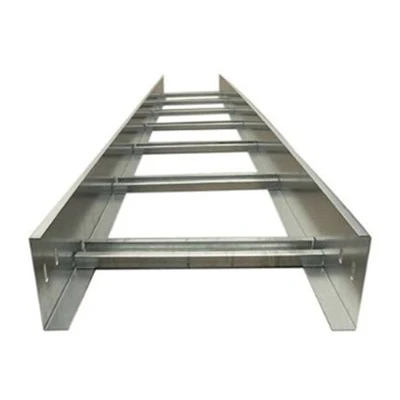
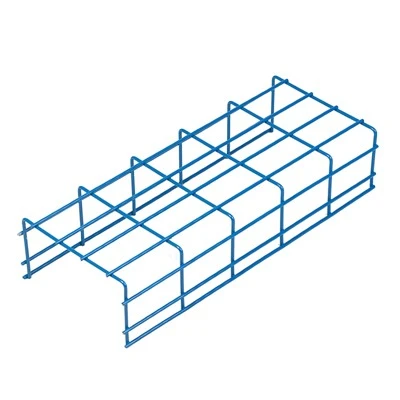
Now, depending on your specific needs, you might be interested in different types of cable trays. For example, if you need a cable tray with a large capacity, you might want to check out Wide Span Cable Tray. It's designed to hold a large number of cables over a wide area. If you're looking for a cable tray that can span long distances, take a look at Large Span Cable Ladder. It's strong and durable, making it suitable for applications where long spans are required.
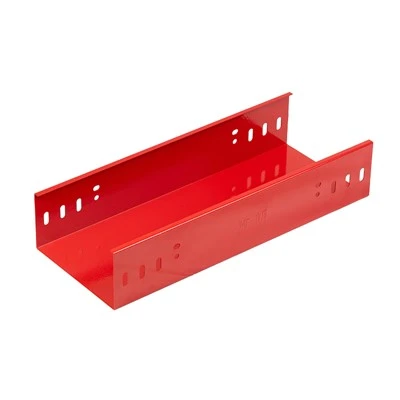
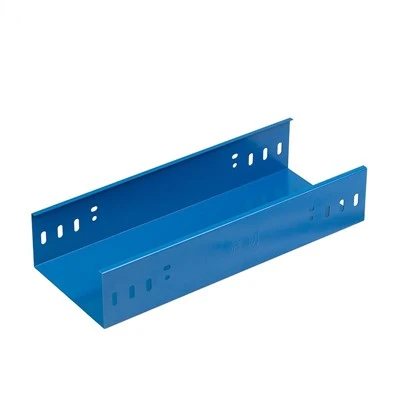
Another option is the Large Span Trough Cable Tray. It's great for protecting cables from dust, dirt, and other environmental factors. If you need a wide and sturdy tray, the Wide Span Tray might be the right choice for you. And for heavy - duty applications, the Heavy - duty Long Span Tray can handle a lot of weight and stress.
If you're thinking about starting your DIY industrial cable tray project, or if you have any questions about the materials or the process, don't hesitate to reach out. I'm here to help you source the best materials for your project and ensure that you have everything you need for a successful installation. Whether you're a small - scale DIY enthusiast or a large - scale industrial contractor, we can work together to find the right solutions for your cable tray needs.


References
- Industrial Cable Tray Handbook, an industry - standard guide on cable tray design and materials.
- Metalworking for Beginners, a helpful resource on working with metal sheets and fasteners.