
Maintaining cable trays is crucial for ensuring the longevity and safety of your electrical and communication systems. As a cable tray supplier, I've seen firsthand how proper maintenance can save you time and money in the long run. In this blog, I'll share some practical tips on how to maintain cable trays effectively.
Regular Inspections
The first step in maintaining cable trays is to conduct regular inspections. This helps you catch any potential issues early on before they turn into major problems. You should inspect your cable trays at least once a year, but more frequent inspections may be necessary in harsh environments.
During an inspection, look for signs of damage such as cracks, bends, or corrosion. Check the connections between the trays and make sure they are secure. Also, look for any signs of overloading, such as cables that are too tightly packed or trays that are sagging under the weight.
If you notice any damage or issues during an inspection, it's important to address them immediately. Minor repairs can often be done on-site, but more significant damage may require the replacement of the affected sections of the cable tray.
Cleaning
Cleaning your cable trays regularly is another important part of maintenance. Dust, dirt, and debris can accumulate on the trays over time, which can lead to corrosion and other problems. Cleaning the trays helps to prevent this and keeps them in good condition.
You can clean cable trays using a variety of methods, depending on the type of tray and the level of dirt. For light cleaning, you can use a soft brush or a vacuum cleaner to remove loose dirt and debris. For more stubborn dirt, you may need to use a mild detergent and water.
When cleaning cable trays, make sure to follow the manufacturer's instructions. Some trays may require special cleaning products or methods, so it's important to use the right ones to avoid damaging the trays.
Corrosion Prevention
Corrosion is one of the biggest threats to cable trays, especially in harsh environments. To prevent corrosion, you should choose cable trays made from corrosion-resistant materials such as stainless steel or aluminum. These materials are more expensive than other types of cable trays, but they offer better protection against corrosion and last longer.
If you already have cable trays that are prone to corrosion, you can take steps to protect them. One way to do this is to apply a protective coating to the trays. There are many different types of coatings available, so make sure to choose one that is suitable for the type of tray and the environment in which it is installed.
Another way to prevent corrosion is to keep the cable trays dry. Moisture can accelerate the corrosion process, so make sure to install the trays in a dry location and avoid exposing them to water or other liquids.
Proper Installation
Proper installation is also important for maintaining cable trays. If the trays are not installed correctly, they may be more prone to damage and may not function properly. Make sure to follow the manufacturer's instructions when installing the cable trays and use the right tools and materials.
When installing cable trays, make sure to provide adequate support. The trays should be supported at regular intervals to prevent sagging and other problems. You should also make sure to leave enough space between the trays to allow for easy access and maintenance.
Cable Management
Proper cable management is another important aspect of maintaining cable trays. Cables that are not properly managed can cause problems such as overheating, short circuits, and damage to the cable trays. To manage cables effectively, you should use cable ties, clamps, and other cable management products to keep the cables organized and secure.
You should also make sure to label the cables to make it easier to identify them and to troubleshoot any problems that may arise. This can save you time and effort in the long run and can help you to maintain your cable trays more effectively.
Types of Cable Trays and Their Maintenance
There are different types of cable trays available, each with its own unique features and maintenance requirements. Here are some common types of cable trays and how to maintain them:
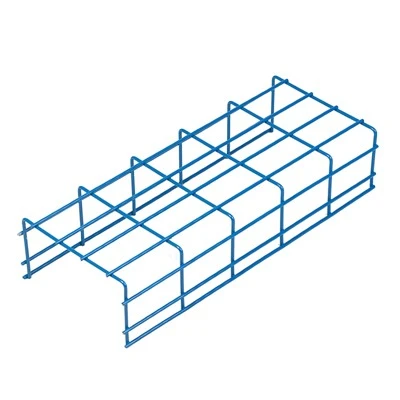
- Wide Span Tray: Wide span trays are designed to support heavy loads over long distances. They are often used in industrial applications. To maintain wide span trays, make sure to inspect them regularly for signs of damage and overloading. You can find more information about wide span trays here.
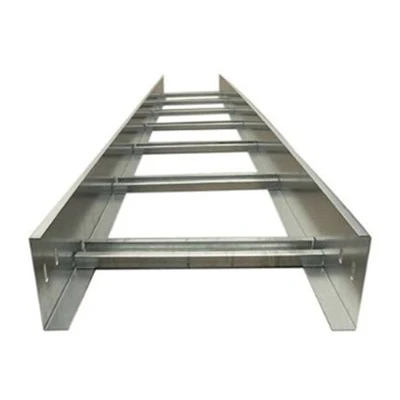
- Ladder Style Cable Tray: Ladder style cable trays are popular because they provide good ventilation for the cables. They are easy to install and maintain. Regularly check the rungs and side rails for any signs of damage. For more details on ladder style cable trays, click here.
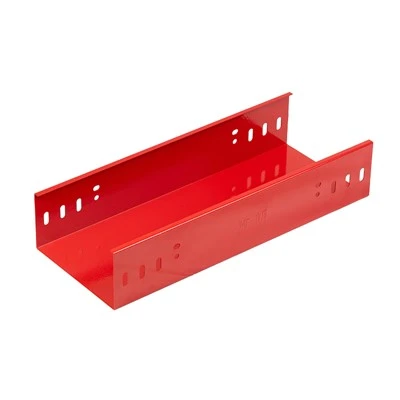
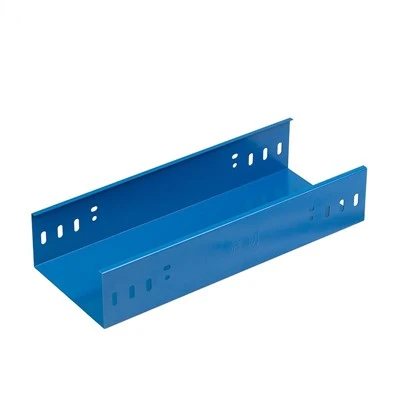
- Aluminum Trough Tray: Aluminum trough trays are lightweight and corrosion-resistant. They are suitable for indoor and outdoor applications. Keep them clean to prevent dirt buildup and inspect for any signs of corrosion. You can learn more about aluminum trough trays here.
- Large Span Cable Ladder: Large span cable ladders are used for applications where long spans are required. They need to be inspected for proper support and any signs of sagging. More information about large span cable ladders can be found here.
- Cable Tray Ss316: Cable Tray Ss316 is made of stainless steel, which offers excellent corrosion resistance. However, it still needs regular inspection for any signs of damage. You can find out more about Cable Tray Ss316 here.
Importance of Documentation
Keeping proper documentation of your cable tray maintenance is very important. This includes records of inspections, cleaning, repairs, and any other maintenance activities. Documentation helps you track the history of your cable trays, which can be useful for future maintenance planning and troubleshooting.


You can use a simple spreadsheet or a more advanced maintenance management software to keep track of your cable tray maintenance. Make sure to include details such as the date of the inspection or maintenance, the type of activity performed, and any issues that were found and addressed.
Training and Education
Providing training and education to your maintenance staff is essential for effective cable tray maintenance. Make sure your staff is familiar with the different types of cable trays, their maintenance requirements, and the proper techniques for inspection, cleaning, and repair.
You can arrange for on-site training by a professional or provide your staff with access to online training resources. This will help ensure that your maintenance staff is well-equipped to handle any cable tray maintenance tasks.
Contact for Purchase and Consultation
If you're in the market for new cable trays or need further advice on cable tray maintenance, don't hesitate to reach out. Whether you're a small business or a large industrial facility, we've got the expertise and products to meet your needs. Our team of experts is always ready to help you find the right cable trays for your specific application and offer guidance on maintenance best practices.
References
- "Electrical Installation Handbook"
- "Cable Tray Systems: Design, Installation, and Maintenance Guide"