
Hey there! As a supplier of stainless steel cable trays, I often get asked if these trays can be used in sewage treatment plants. Well, let's dive right into it and find out.
First off, let's understand the environment in a sewage treatment plant. These places are pretty harsh. You've got all sorts of chemicals, high humidity, and sometimes even corrosive gases floating around. Sewage contains a mix of organic and inorganic substances, and the treatment process involves the use of chemicals like chlorine, sulfuric acid, and sodium hydroxide. These chemicals can be tough on materials, causing corrosion and degradation over time.
So, can stainless steel cable trays handle this kind of environment? The short answer is yes, but it depends on a few factors.
Stainless steel is known for its corrosion resistance. It contains chromium, which forms a thin, protective oxide layer on the surface of the metal. This layer helps prevent rust and corrosion, making stainless steel a great choice for applications where the material is exposed to moisture and chemicals. However, not all stainless steels are created equal.
The most commonly used grades of stainless steel for cable trays are SS304 and SS316. Ss 304 Cable Tray is a good all - purpose grade. It offers decent corrosion resistance and is relatively affordable. But in a sewage treatment plant, where the chemical environment can be quite aggressive, Cable Tray Ss316 is often a better option. SS316 contains molybdenum, which enhances its resistance to pitting and crevice corrosion, especially in chloride - rich environments like sewage.
Now, let's talk about the different types of stainless steel cable trays we offer.
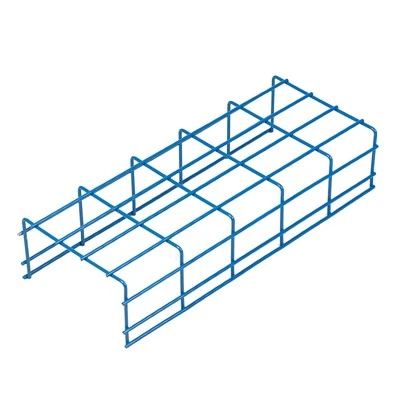
We have the Ss Wire Mesh Cable Tray. This type of tray is made up of a wire mesh structure. It has several advantages in a sewage treatment plant. The open design allows for good ventilation, which helps prevent the build - up of moisture and reduces the risk of corrosion. It also makes it easier to clean, as debris and dirt can simply fall through the mesh. Plus, it's lightweight, which makes installation a breeze.
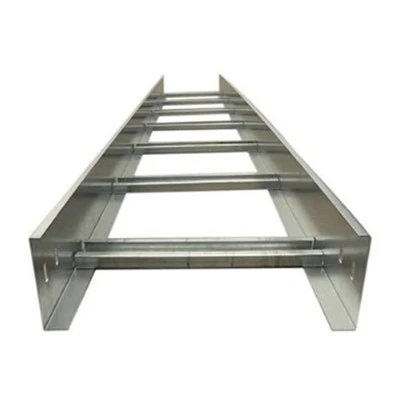
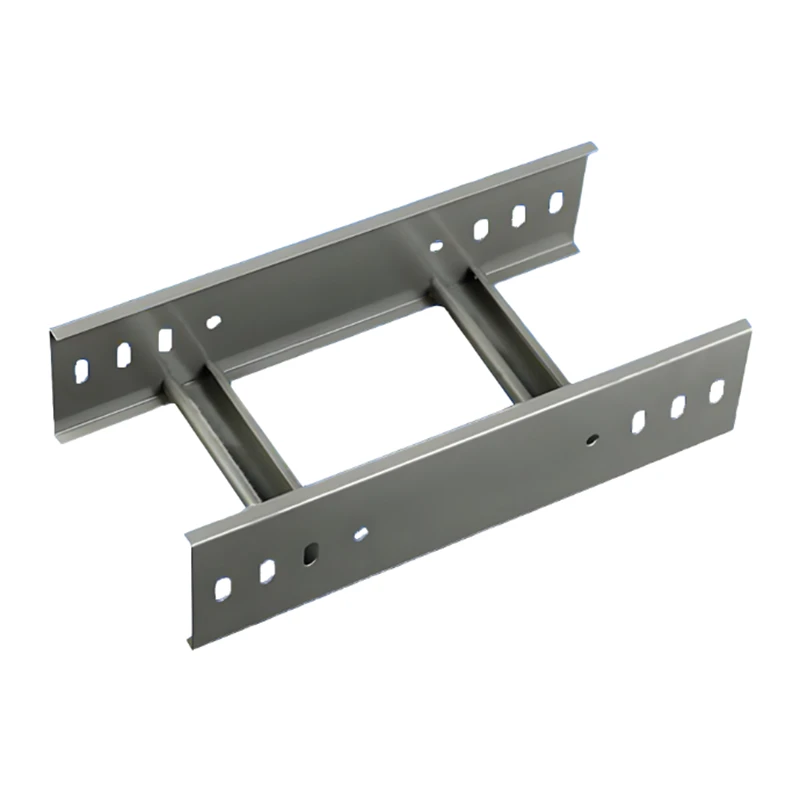
Another option is the Stainless Steel Cable Ladder. This is a more robust option, with a ladder - like structure. It can support heavier cables and is suitable for larger installations. The rungs of the ladder provide a stable platform for the cables, and the open design still allows for some ventilation.
We also offer the Stainless Steel Wire Basket Tray. This tray is similar to the wire mesh tray but has a more enclosed structure. It offers better protection for the cables, especially in areas where there might be a risk of physical damage. The wire basket design also helps with cable organization and management.
In addition to the material and design, proper installation and maintenance are crucial for the long - term performance of stainless steel cable trays in a sewage treatment plant. During installation, it's important to ensure that the trays are properly grounded to prevent electrical issues. The trays should also be installed at the right height and with the correct spacing to allow for easy access and maintenance.
Regular maintenance is also key. Inspect the trays periodically for signs of corrosion, damage, or loose connections. Clean the trays to remove any dirt, debris, or chemical residues. If any damage is found, it should be repaired or replaced immediately to prevent further deterioration.
There are also some challenges to using stainless steel cable trays in sewage treatment plants. One of the main challenges is the cost. Stainless steel is more expensive than other materials like galvanized steel. However, when you consider the long - term benefits, such as reduced maintenance and replacement costs, it can be a worthwhile investment.
Another challenge is the potential for galvanic corrosion. If stainless steel is in contact with other metals in the presence of an electrolyte (like the sewage), it can cause galvanic corrosion. To prevent this, it's important to ensure that the stainless steel cable trays are not in direct contact with other metals or to use insulating materials between them.
So, to sum it up, stainless steel cable trays can definitely be used in sewage treatment plants. With the right grade of stainless steel, proper design, installation, and maintenance, they can provide a reliable and long - lasting solution for cable management in these harsh environments.
If you're in the market for stainless steel cable trays for your sewage treatment plant or any other application, I'd love to chat. We've got a wide range of products to meet your needs, and our team of experts can help you choose the right one. Don't hesitate to reach out for a quote or to discuss your requirements. We're here to make your cable management easy and hassle - free.
References
- "Corrosion Resistance of Stainless Steels in Chemical Environments" - Journal of Materials Science
- "Cable Tray Installation and Maintenance Guidelines" - Electrical Engineering Handbook