
Hey there! As a supplier of perforated cable trays, I often get asked about the minimum bend radius for cables in these trays. It's a crucial topic, as getting it wrong can lead to all sorts of issues with your cables. So, let's dive right in and explore what this minimum bend radius is all about.
Understanding the Basics of Bend Radius
First off, what exactly is the bend radius? Simply put, it's the minimum radius a cable can be bent without causing damage to the internal conductors or insulation. When a cable is bent too sharply, it can lead to a reduction in signal quality, increased resistance, and even physical damage to the cable over time. This is especially important in a perforated cable tray, where cables are often routed around corners and through various configurations.
The minimum bend radius for cables depends on several factors. One of the most significant factors is the type of cable. Different cables have different construction materials and designs, which affect their flexibility. For example, coaxial cables typically have a larger minimum bend radius compared to Ethernet cables. This is because coaxial cables have a solid center conductor and a thick outer insulation, which makes them less flexible.
Another factor that affects the minimum bend radius is the cable's diameter. Generally, larger diameter cables require a larger bend radius. This is because the internal conductors and insulation need more space to bend without being damaged. For instance, a thick power cable will have a much larger minimum bend radius than a thin data cable.
Why the Bend Radius Matters in a Perforated Cable Tray
In a perforated cable tray, the bend radius is even more critical. The perforations in the tray provide ventilation and allow for easy access to the cables. However, they also mean that the cables are more exposed and can be more easily damaged if bent too sharply.
When cables are bent beyond their minimum bend radius in a perforated cable tray, it can lead to a variety of problems. The insulation may crack, exposing the conductors and increasing the risk of short circuits. The signal quality can also be affected, leading to data loss or interference. Additionally, sharp bends can cause the cables to rub against the edges of the tray, which can wear down the insulation over time.
Determining the Minimum Bend Radius
So, how do you determine the minimum bend radius for cables in a perforated cable tray? The first step is to refer to the cable manufacturer's specifications. Most cable manufacturers provide guidelines on the minimum bend radius for their cables. These guidelines take into account the cable's construction, materials, and intended use.
As a general rule of thumb, the minimum bend radius for most cables is between 4 and 10 times the cable's outer diameter. For example, if you have a cable with an outer diameter of 10 mm, the minimum bend radius would be between 40 mm and 100 mm. However, this is just a rough estimate, and you should always refer to the manufacturer's specifications for the exact minimum bend radius.
It's also important to consider the installation environment. If the cables are being installed in a tight space or around sharp corners, you may need to use a larger bend radius to ensure that the cables are not damaged. Additionally, if the cables are subject to vibration or movement, a larger bend radius may be necessary to prevent fatigue and damage over time.
Our Perforated Cable Tray Offerings
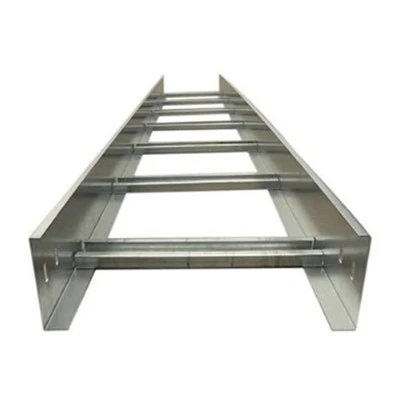
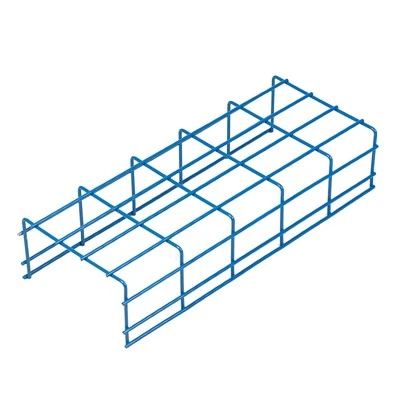
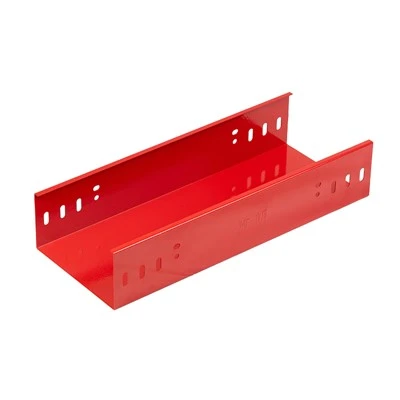
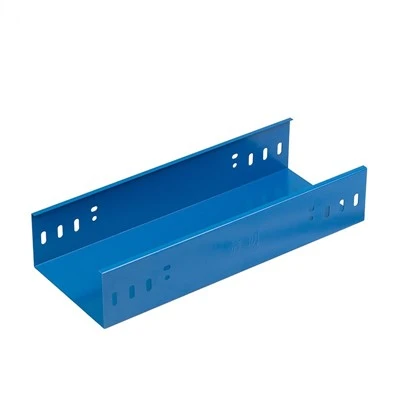
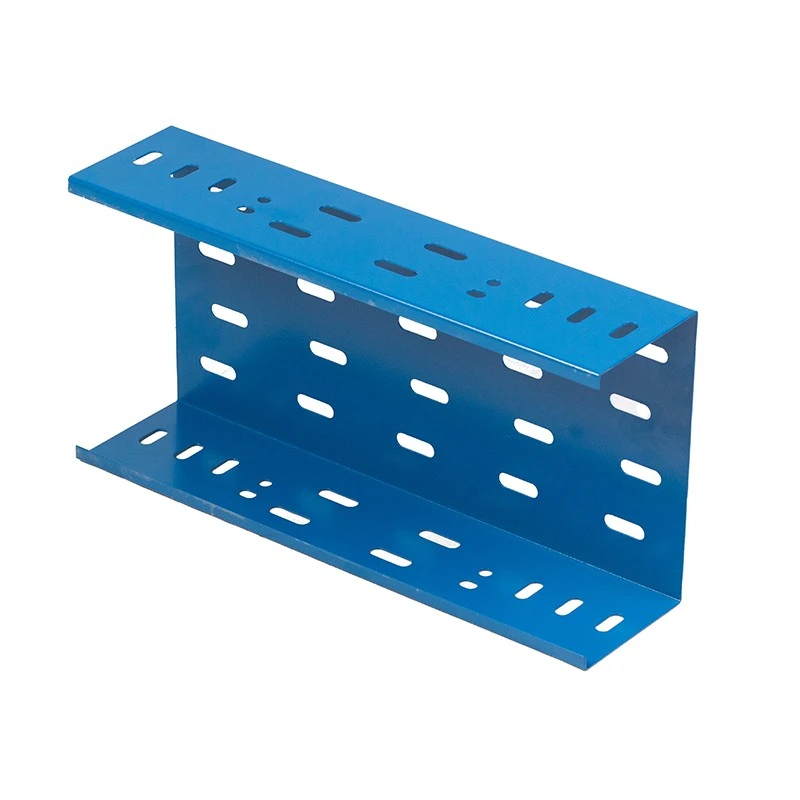
At our company, we offer a wide range of perforated cable trays to meet your needs. We have Non Perforated Cable Tray, which provides a solid surface for cable support. Our Hdg Perforated Cable Tray is hot-dip galvanized for enhanced corrosion resistance. The Galvanized Perforated Cable Tray offers a cost-effective solution with good durability. We also have Powder Coated Perforated Cable Tray, which comes in a variety of colors for aesthetic purposes. And our Metallic Perforated Cable Tray is made from high-quality metal for strength and reliability.
Tips for Installing Cables in a Perforated Cable Tray
When installing cables in a perforated cable tray, there are a few tips you should keep in mind to ensure that the minimum bend radius is maintained. First, plan your cable routes carefully. Use cable ties or clips to secure the cables in place and prevent them from moving around. This will help to maintain the proper bend radius and prevent damage to the cables.
Second, use cable bends and elbows to guide the cables around corners. These bends and elbows are designed to provide a smooth transition and maintain the minimum bend radius. Make sure to choose bends and elbows that are the appropriate size for your cables.

Finally, inspect the cables regularly for any signs of damage or wear. If you notice any issues, such as cracked insulation or frayed conductors, replace the cables immediately. This will help to prevent further damage and ensure the reliable operation of your cable system.
Conclusion
In conclusion, the minimum bend radius for cables in a perforated cable tray is an important consideration. It's crucial to understand the factors that affect the bend radius and to follow the manufacturer's specifications to ensure that the cables are not damaged. By choosing the right perforated cable tray and following the installation tips, you can ensure the reliable operation of your cable system.
If you're interested in purchasing perforated cable trays or have any questions about the minimum bend radius for cables, feel free to contact us. We're here to help you find the right solution for your needs.
References
- Manufacturer's cable specifications
- Industry standards for cable installation