
Hey there, fellow tech enthusiasts and business folks! I'm a supplier of C channels, and today I want to chat about something that's super relevant in both the tech world and our day-to-day business operations: how to handle multiple channels simultaneously in Go.
Let's start with a bit of background. In the programming world, channels are like pipes that let you send and receive values with the <- operator. They're a fundamental part of Go's concurrency model, allowing different parts of your program to communicate and synchronize. And in our business, channels can be thought of as different ways we interact with customers, like email, phone, and social media.
So why is it important to handle multiple channels simultaneously? Well, in programming, it can make your code more efficient and responsive. You can have different goroutines (lightweight threads in Go) working on different tasks and communicating through channels. In business, handling multiple customer communication channels at once can improve customer satisfaction and increase sales.
Using Select Statements in Go
One of the most powerful tools in Go for handling multiple channels is the select statement. It's similar to a switch statement, but instead of matching values, it waits for one of several channel operations to be ready.
Here's a simple example:
package main

import (
    "fmt"
    "time"
)

func main() {
    ch1 := make(chan string)
    ch2 := make(chan string)

    go func() {
        time.Sleep(2 * time.Second)
        ch1 <- "Message from channel 1"
    }()

    go func() {
        time.Sleep(1 * time.Second)
        ch2 <- "Message from channel 2"
    }()

    select {
    case msg1 := <-ch1:
        fmt.Println(msg1)
    case msg2 := <-ch2:
        fmt.Println(msg2)
    }
}
In this example, we have two goroutines sending messages on two different channels. The select statement waits for either of the channels to have a message ready. Whichever channel is ready first will have its message printed.
Buffered Channels
Another useful concept when dealing with multiple channels is buffered channels. A buffered channel can hold a certain number of values without blocking the sender. This can be handy when you have different rates of production and consumption on your channels.
Here's an example of a buffered channel:
package main

import (
    "fmt"
)

func main() {
    ch := make(chan int, 2)

    ch <- 1
    ch <- 2

    fmt.Println(<-ch)
    fmt.Println(<-ch)
}
In this case, the channel ch can hold up to 2 values without blocking. So we can send two values to the channel without any issues.
Handling Errors and Closing Channels
When working with multiple channels, it's also important to handle errors and close channels properly. Closing a channel indicates that no more values will be sent on it.
Here's an example of closing a channel:
package main

import (
    "fmt"
)

func main() {
    ch := make(chan int)

    go func() {
        for i := 0; i < 5; i++ {
            ch <- i
        }
        close(ch)
    }()

    for num := range ch {
        fmt.Println(num)
    }
}
In this example, the goroutine sends 5 values to the channel and then closes it. The for...range loop on the main goroutine reads values from the channel until it's closed.
Applying These Concepts to Our Business
Now, how do these programming concepts relate to our business as a C channel supplier? Well, think of each customer communication channel as a Go channel. We can use the same principles of concurrency and synchronization to handle multiple channels efficiently.
For example, we can have different teams or individuals responsible for different channels, just like different goroutines working on different channels in Go. And we can use a system to prioritize and handle incoming requests, similar to how the select statement in Go prioritizes channel operations.
Our C Channel Products
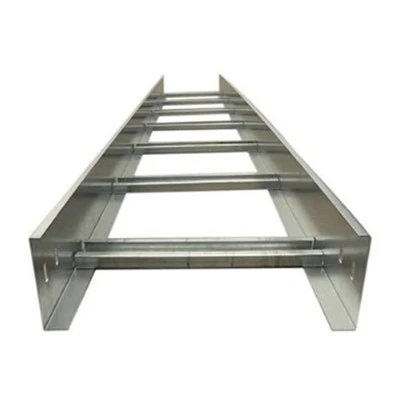
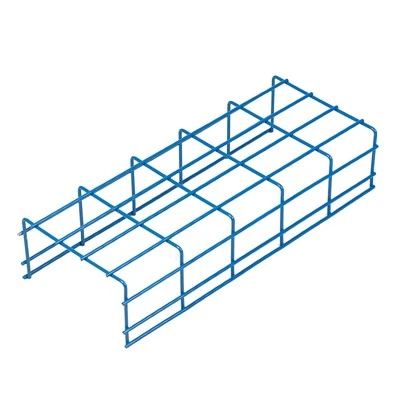
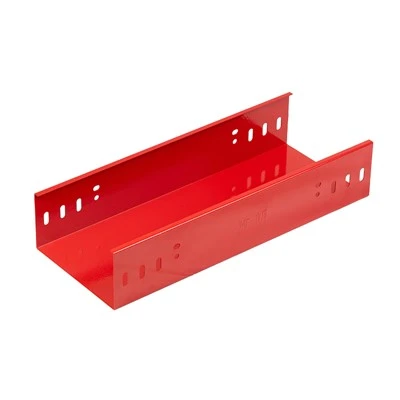
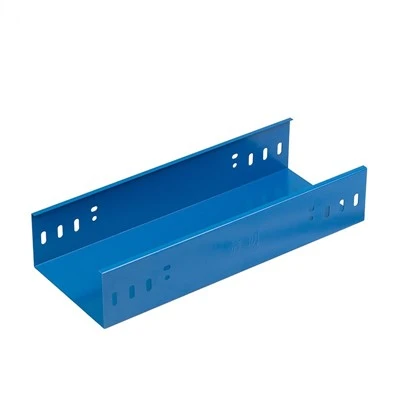
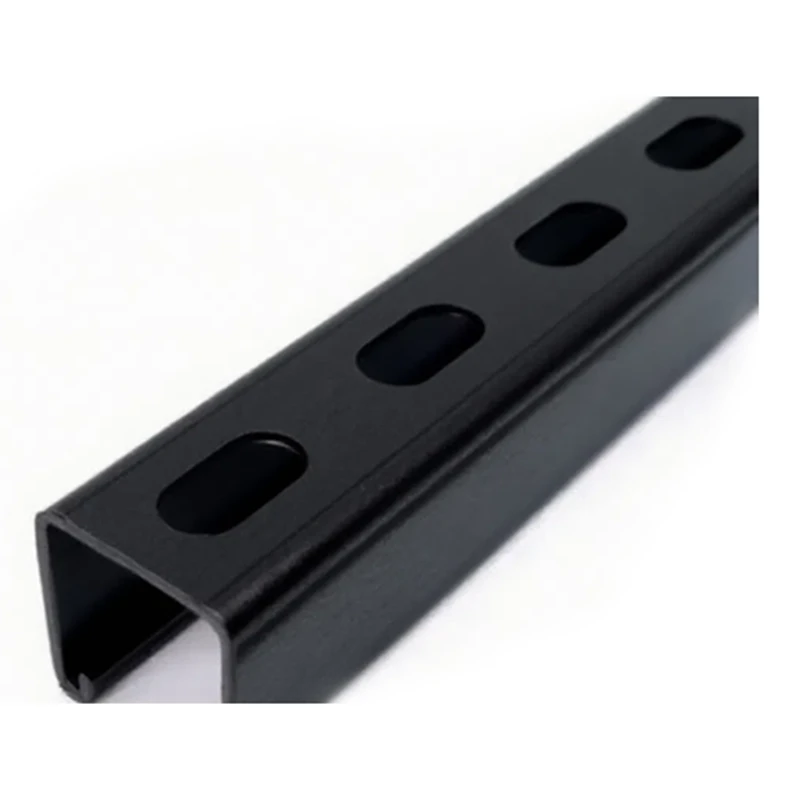
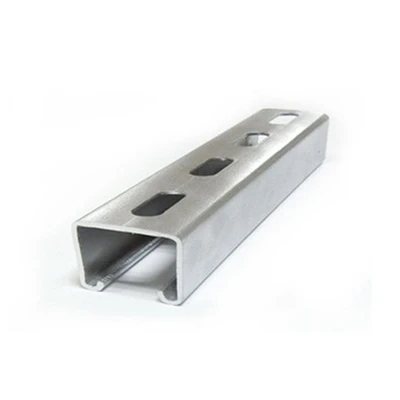
As a C channel supplier, we offer a wide range of products to meet different needs. Check out our Zinc Aluminum Magnesium C Channel, which offers excellent corrosion resistance. If you're looking for something lighter, our Lightweight C Channel is a great option. We also have Punched C Channel, Hot Dip Galvanized C Channel, and Heavy Duty C Channel.
Conclusion
Handling multiple channels simultaneously, whether in programming or in business, is all about efficiency and responsiveness. By using the right tools and techniques, like select statements and buffered channels in Go, we can make our operations smoother and more effective.
If you're interested in our C channel products or have any questions, feel free to reach out. We're always happy to discuss your needs and find the right solutions for you. Let's start a conversation and see how we can work together!
References
- Donovan, Alan A. A., and Brian W. Kernighan. "The Go Programming Language." Addison-Wesley Professional, 2015.
- Go Programming Language Documentation. https://golang.org/doc/