
In the world of electrical and telecommunications infrastructure, the choice between single-rung and double-rung aluminum ladder cable trays is a crucial decision that can significantly impact the efficiency, safety, and cost of a project. As a leading supplier of Aluminum Ladder Cable Tray, I've witnessed firsthand the diverse requirements of our clients and the unique benefits that each type of cable tray offers. In this blog post, I'll delve into the advantages of single-rung and double-rung aluminum ladder cable trays, providing you with the insights you need to make an informed decision for your next project.
Understanding Aluminum Ladder Cable Trays
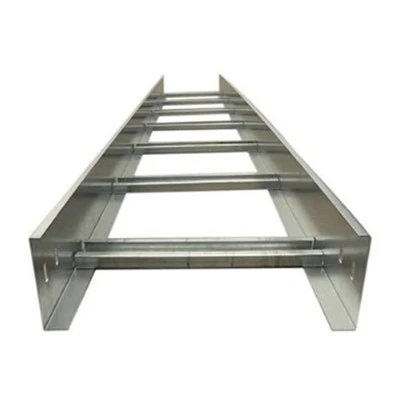
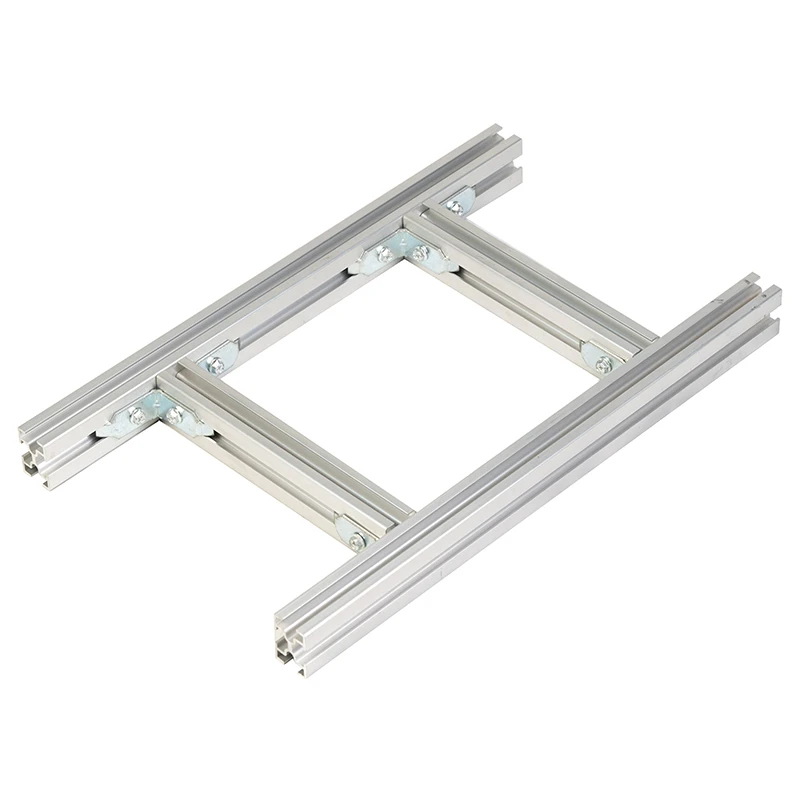
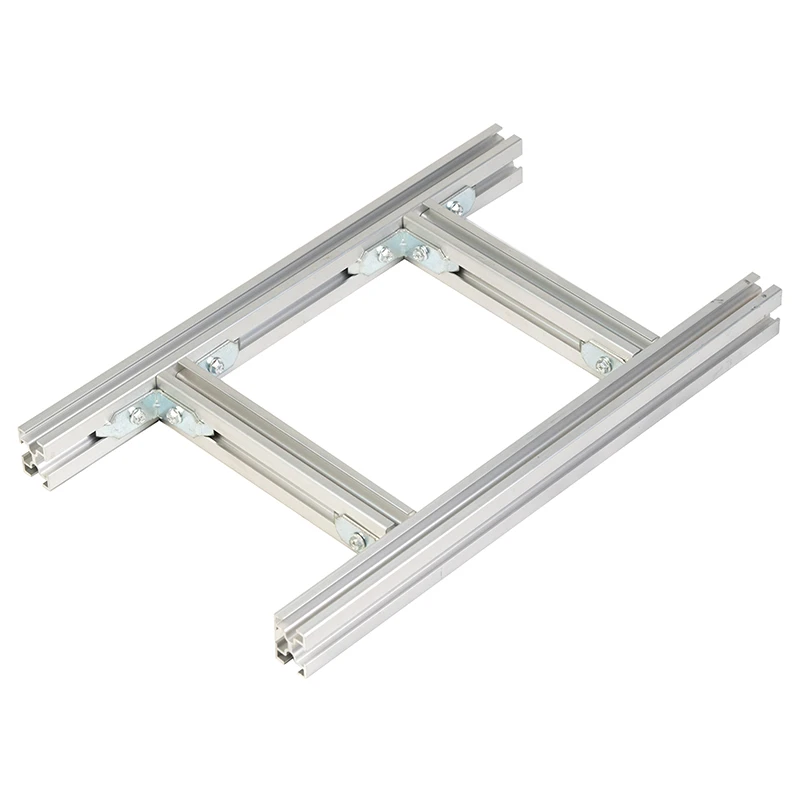
Before we explore the benefits of single-rung and double-rung cable trays, it's essential to understand what aluminum ladder cable trays are and how they are used. Aluminum ladder cable trays are a type of cable management system designed to support and organize electrical and telecommunications cables. They consist of two side rails connected by rungs, creating a ladder-like structure that provides a stable platform for cables to rest on. Aluminum is a popular choice for cable trays due to its lightweight, corrosion resistance, and high strength-to-weight ratio, making it suitable for a wide range of applications.
There are several types of aluminum ladder cable trays available, including Aluminum Ladder Tray, Aluminum Extruded Cable Ladder, Aluminium Cable Ladder, and Telecom Cable Ladder. Each type has its own unique features and benefits, but they all share the common goal of providing a reliable and efficient solution for cable management.
Benefits of Single-Rung Aluminum Ladder Cable Trays
Lightweight and Easy to Install
One of the primary advantages of single-rung aluminum ladder cable trays is their lightweight construction. Because they have fewer rungs than double-rung cable trays, they are generally lighter and easier to handle, which can significantly reduce installation time and labor costs. This makes them an ideal choice for projects where weight is a concern, such as in buildings with limited floor load capacity or in applications where the cable tray needs to be installed in hard-to-reach areas.
Cost-Effective
Single-rung aluminum ladder cable trays are typically more cost-effective than double-rung cable trays. The reduced number of rungs means less material is used in their manufacture, which translates to lower production costs. Additionally, the lightweight nature of single-rung cable trays can result in lower shipping costs, further reducing the overall cost of the project. For budget-conscious projects, single-rung cable trays offer a cost-effective solution without sacrificing quality or performance.
Excellent Ventilation
Another benefit of single-rung cable trays is their excellent ventilation properties. The open design of the single-rung structure allows for better air circulation around the cables, which helps to dissipate heat more effectively. This is particularly important for cables that generate a significant amount of heat, such as power cables, as it can help to prevent overheating and extend the lifespan of the cables.
Suitable for Low Cable Density Applications
Single-rung cable trays are well-suited for applications with low cable density. If you only need to support a small number of cables, a single-rung cable tray can provide adequate support without taking up unnecessary space. This can be beneficial in applications where space is limited or where you want to minimize the visual impact of the cable tray.
Benefits of Double-Rung Aluminum Ladder Cable Trays
Higher Load Capacity
One of the most significant advantages of double-rung aluminum ladder cable trays is their higher load capacity. The additional rungs provide extra support, allowing the cable tray to carry more weight. This makes double-rung cable trays ideal for applications where you need to support a large number of cables or heavy cables, such as in industrial settings or in large commercial buildings.
Greater Stability
Double-rung cable trays offer greater stability compared to single-rung cable trays. The additional rungs help to distribute the weight of the cables more evenly across the tray, reducing the risk of sagging or bending. This is particularly important in applications where the cable tray needs to span long distances or where it is subjected to vibration or movement.
Enhanced Cable Protection
The double-rung design provides enhanced cable protection. The additional rungs help to prevent cables from shifting or falling off the tray, reducing the risk of damage to the cables. This is especially important for delicate or high-value cables, such as fiber optic cables, where any damage can result in significant downtime or loss of data.
Ideal for High Cable Density Applications
Double-rung cable trays are ideal for applications with high cable density. If you need to support a large number of cables in a limited space, a double-rung cable tray can provide the necessary support and organization. The additional rungs help to keep the cables separated and organized, making it easier to install, maintain, and troubleshoot the cables.
Choosing the Right Cable Tray for Your Project
When choosing between single-rung and double-rung aluminum ladder cable trays, it's important to consider the specific requirements of your project. Here are some factors to keep in mind:
- Cable Density: If you have a low cable density, a single-rung cable tray may be sufficient. However, if you have a high cable density, a double-rung cable tray may be a better choice.
- Load Capacity: Consider the weight of the cables you need to support. If you have heavy cables or a large number of cables, a double-rung cable tray with a higher load capacity may be required.
- Space Constraints: If space is limited, a single-rung cable tray may be a more suitable option as it takes up less space. However, if you have enough space and need to support a large number of cables, a double-rung cable tray may be a better choice.
- Ventilation Requirements: If your cables generate a significant amount of heat, a single-rung cable tray with better ventilation properties may be beneficial. However, if ventilation is not a major concern, a double-rung cable tray may be a better option.
- Budget: Consider your budget when choosing a cable tray. Single-rung cable trays are generally more cost-effective than double-rung cable trays, but if you need the additional features and benefits of a double-rung cable tray, it may be worth the extra cost.
Conclusion
In conclusion, both single-rung and double-rung aluminum ladder cable trays offer unique benefits and are suitable for different applications. Single-rung cable trays are lightweight, cost-effective, and offer excellent ventilation, making them ideal for low cable density applications and projects with budget constraints. Double-rung cable trays, on the other hand, have a higher load capacity, greater stability, and enhanced cable protection, making them suitable for high cable density applications and projects where the cables are heavy or delicate.
As a supplier of Aluminum Ladder Cable Tray, I'm committed to providing our clients with the highest quality products and the best possible service. If you're unsure which type of cable tray is right for your project, our team of experts is here to help. We can provide you with detailed information and guidance to help you make an informed decision.
If you're interested in learning more about our aluminum ladder cable trays or would like to discuss your specific requirements, please don't hesitate to contact us. We look forward to working with you on your next project.
References
- Electrical Installation Handbook, Schneider Electric
- National Electrical Code (NEC), National Fire Protection Association (NFPA)
- Cable Tray Installation Guide, various manufacturers