
Hey there! As a supplier of Punched C Channels, I've been getting a lot of questions lately about the brittleness of these products. So, I thought I'd take a moment to break it down and share some insights.


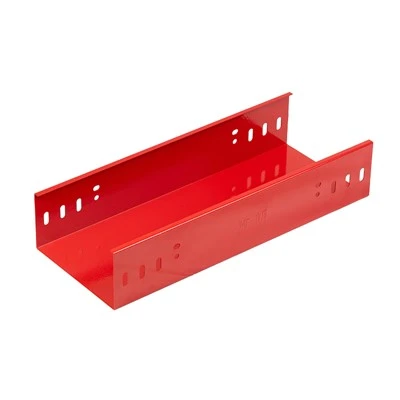
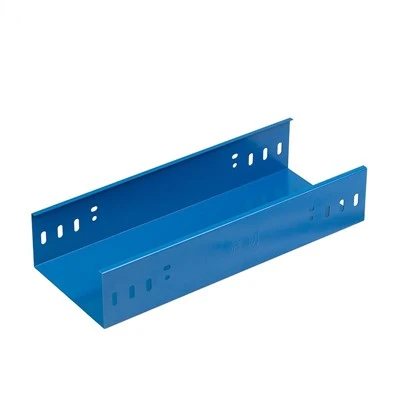
First off, let's talk about what Punched C Channels are. They're basically structural steel channels that have been punched with holes at regular intervals. These holes are used for various purposes, like attaching other components or running wires through. You can check out our Punched C Channel options on our website for a better idea.
Now, onto the big question - what is the brittleness of punched C channels? Brittleness refers to a material's tendency to fracture or break under stress without significant deformation. In the case of punched C channels, brittleness can be influenced by several factors.
One of the main factors is the type of steel used. Different grades of steel have different mechanical properties, and some are more prone to brittleness than others. For example, high-carbon steels are generally harder and stronger but can also be more brittle compared to low - carbon steels. At our company, we offer a range of C channels, including Zinc Aluminum Magnesium C Channel and Hot Dip Galvanized C Channel, which are made from high - quality steels that are carefully selected to balance strength and ductility (the opposite of brittleness).
The punching process itself can also affect brittleness. When holes are punched into the steel, it creates stress concentrations around the edges of the holes. If the punching is not done properly, these stress concentrations can lead to micro - cracks, which can then grow and cause the channel to become brittle over time. That's why we use state - of - the - art punching equipment and techniques to minimize stress and ensure the quality of our punched C channels.
Another factor is the heat treatment of the steel. Heat treatment can be used to modify the mechanical properties of the steel. For example, quenching and tempering can increase the strength of the steel, but if not done correctly, it can also make the steel more brittle. We have a strict quality control process in place to ensure that all our C channels are heat - treated to the optimal specifications.
The environmental conditions in which the punched C channels are used can also play a role in their brittleness. For instance, if the channels are exposed to very low temperatures, the steel can become more brittle. This is known as the ductile - to - brittle transition. However, our Heavy Duty C Channel and Lightweight C Channel options are designed to perform well in a wide range of temperatures, and we can provide guidance on the best type of channel for your specific application.
So, how do we test for brittleness in our punched C channels? We use a variety of tests, including impact tests, bend tests, and hardness tests. Impact tests measure the amount of energy a material can absorb before fracturing, which is a good indicator of its brittleness. Bend tests show how well the material can deform without breaking, and hardness tests give us an idea of the material's overall strength and resistance to deformation.
When it comes to choosing the right punched C channel for your project, it's important to consider the level of brittleness you can tolerate. If your project requires the channel to withstand a lot of impact or sudden loads, you might want to go for a less brittle option. On the other hand, if cost is a major factor and the channel won't be subjected to extreme stress, a slightly more brittle but more affordable option could work.
We understand that every project is unique, and that's why we offer a wide range of punched C channels to meet your specific needs. Whether you're working on a small DIY project or a large - scale construction project, we've got you covered.
If you're interested in learning more about our punched C channels or have any questions about brittleness or other aspects of these products, don't hesitate to reach out. We're here to help you make the best choice for your project.
References:
- "Metallurgy for Dummies" by Jeff Cain
- "Mechanical Properties of Engineering Materials" by John Charles Michael Li
- "Structural Steel Design: LRFD Approach" by Norman B. Abeles