
Hey there! As an industrial cable tray supplier, I've seen firsthand how crucial it is to use these trays correctly when dealing with fiber - optic cables. Fiber - optic cables are super delicate and carry a ton of data, so we've got to take extra care when using them in industrial cable trays. Here are some important precautions you need to know.
1. Compatibility and Selection
First things first, you've got to make sure the cable tray you choose is compatible with fiber - optic cables. Different types of industrial cable trays have different features, and not all of them are a good fit for fiber optics.
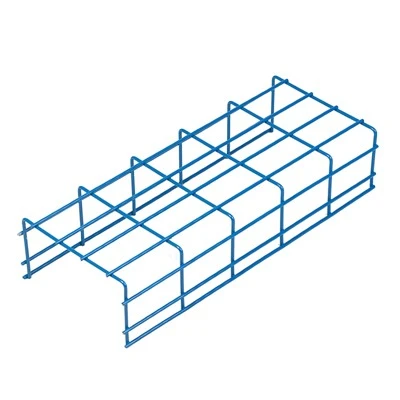
For example, if you're looking for a tray that can handle a large span of cables, you might want to check out our Wide Span Tray. It's designed to support a large number of cables over a long distance without sagging. This is great for fiber - optic cables because they need a stable and smooth surface to avoid any unnecessary bends or kinks.
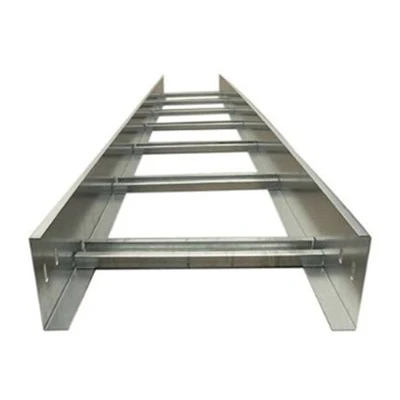
Another option is the Large Span Cable Ladder. This type of tray has an open design that allows for good ventilation. Fiber - optic cables can generate a bit of heat, especially when they're transferring a large amount of data. Good ventilation helps keep the cables cool, which in turn extends their lifespan.
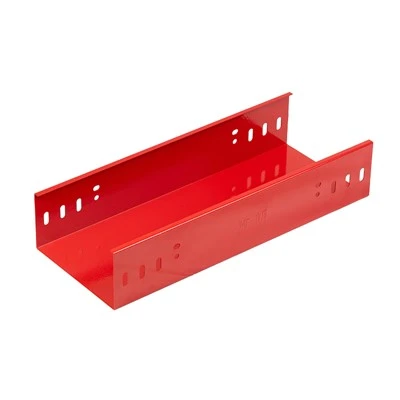
We also have the Large Span Trough Cable Tray. It's a closed - bottom tray that provides extra protection for the cables. This is ideal if your fiber - optic cables are in an environment where they might be exposed to dust, moisture, or other contaminants.
2. Cable Routing
Proper cable routing is key when using fiber - optic cables in industrial cable trays. You don't want to just toss the cables in the tray haphazardly. Instead, plan out the routing carefully.
One thing to keep in mind is to avoid sharp bends. Fiber - optic cables are very sensitive to bending. If you bend them too sharply, it can cause signal loss or even damage the cables. When routing the cables, make sure the bend radius is within the manufacturer's recommended specifications.
Also, try to separate the fiber - optic cables from other types of cables, like power cables. Power cables can generate electromagnetic interference (EMI), which can affect the performance of fiber - optic cables. Use dividers in the cable tray to keep the different types of cables apart.
3. Installation
When installing fiber - optic cables in the cable tray, you've got to be gentle. Fiber - optic cables are made of thin glass or plastic fibers, and they can break easily if you're too rough.
Start by laying the cables in the tray slowly and carefully. Don't tug or pull on them. If you need to secure the cables, use cable ties or clips that are designed for fiber - optic cables. These ties and clips should be tight enough to hold the cables in place but not so tight that they damage the cables.
Make sure the cable tray itself is installed properly. It should be level and securely fastened to the wall or ceiling. Any vibrations or movement in the cable tray can cause stress on the fiber - optic cables, which can lead to signal problems.
4. Protection from Environmental Factors
Fiber - optic cables are vulnerable to environmental factors, so you've got to protect them.
If the cable tray is installed outdoors, it needs to be weatherproof. Our Long Span Cable Tray is a good option for outdoor use. It's made of materials that can withstand harsh weather conditions, like rain, snow, and extreme temperatures.
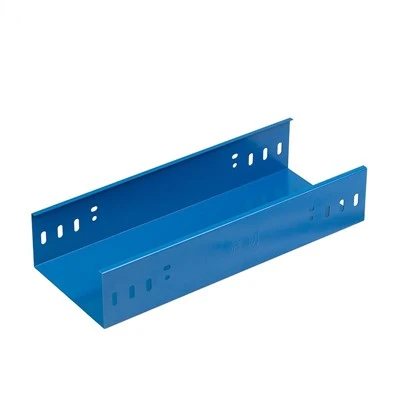
In industrial environments, there might be chemicals or corrosive substances in the air. In this case, you might want to consider a Large Span Perforated Cable Tray. The perforations allow any moisture or chemicals to drain away from the cables, reducing the risk of corrosion.
5. Maintenance
Regular maintenance is essential for keeping fiber - optic cables in good condition.


Inspect the cable tray and the cables regularly for any signs of damage. Look for cracks in the tray, loose fasteners, or frayed cables. If you find any problems, fix them right away.
Clean the cable tray periodically to remove any dirt, dust, or debris. A dirty tray can cause the cables to overheat or get damaged. You can use a soft brush or a vacuum cleaner to clean the tray.
Check the tension of the cable ties or clips. Over time, they might loosen, so make sure they're still holding the cables securely in place.
6. Training and Safety
Anyone who works with fiber - optic cables in industrial cable trays should receive proper training. They need to know how to handle the cables correctly, how to install them in the tray, and how to perform maintenance.
Also, safety is a big deal. When working with fiber - optic cables, wear appropriate safety gear, like safety glasses and gloves. If you're working on a high - rise installation, make sure you're using proper fall - protection equipment.
Conclusion
Using industrial cable trays with fiber - optic cables requires a lot of attention to detail. By following these precautions, you can ensure that your fiber - optic cables work properly and last a long time.
If you're in the market for industrial cable trays for your fiber - optic cables, we're here to help. We've got a wide range of cable trays to choose from, and our team can provide you with expert advice on which tray is right for your needs. Don't hesitate to reach out for a discussion about your potential purchases.
References
- Industry standards on fiber - optic cable installation
- Manufacturer's guidelines for cable trays and fiber - optic cables
- Practical experience in industrial cable tray installation and use