
Hey everyone! As a supplier of Aluminum Extruded Cable Ladder, I've been in the industry long enough to see the ins and outs of these products. Today, I wanna chat about the transportation limitations of aluminum extruded cable ladders.
1. Size and Dimensions
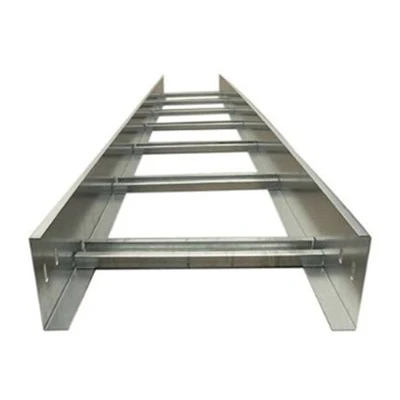
One of the biggest challenges when it comes to transporting aluminum extruded cable ladders is their size. These ladders can be quite long, often reaching up to several meters. For example, in large - scale industrial projects, we might produce cable ladders that are 6 meters or even longer.
When it comes to shipping, standard transport vehicles have limited length capacities. Trucks, for instance, usually have a maximum loading length of around 12 - 13 meters. If we have a batch of long cable ladders, we can't fully utilize the truck's length capacity because we need to leave some space for securing the load, preventing it from shifting during transit.
Also, the width of the cable ladders matters. Some of our wider models can be a real headache to transport. They might exceed the legal width limits on roads in certain areas. In the US, the maximum legal width for most trucks on public roads is 8.5 feet (about 2.6 meters). If our aluminum extruded cable ladder is wider than this, we either need to get special permits, which can be time - consuming and expensive, or use alternative transportation methods.
Another aspect related to size is the height. When stacking the cable ladders on a truck, the overall height of the load can't exceed the legal limits. In many places, the maximum allowable height for a truckload is around 13.5 - 14 feet (about 4.1 - 4.3 meters). If we stack too many cable ladders, we'll quickly reach this height limit, which means we can't transport as many units as we'd like in a single trip.
2. Weight
Aluminum is known for being a relatively lightweight metal compared to steel, but when it comes to large - scale cable ladders, the weight can still add up. A single aluminum extruded cable ladder might not seem too heavy, but when we're talking about a large order, the total weight can be a significant factor.
Most transport vehicles have a maximum payload capacity. For example, a medium - sized truck might have a payload capacity of around 5 - 10 tons. If our cable ladders are heavy, we can't load as many of them onto the truck. This means we need more trips to transport the same quantity of products, which increases the transportation cost and time.
Moreover, weight distribution is crucial. If the cable ladders are not loaded evenly on the truck, it can cause handling problems during transportation. An unevenly loaded truck is more likely to tip over, especially when taking turns or driving on uneven roads. So, we have to spend extra time and effort to ensure proper weight distribution, which further complicates the transportation process.
3. Fragility and Protection
Although aluminum is a durable material, the extruded cable ladders can still be damaged during transportation. The rungs and side rails of the ladders are relatively thin, and they can be easily bent or dented if not properly protected.
We need to use adequate packing materials to safeguard the cable ladders during transit. This usually involves wrapping them in protective films, cushioning them with foam or other soft materials, and using wooden frames or pallets for support.


However, all these packing materials add to the overall volume and weight of the shipment. This means we have less space and payload capacity available for the actual cable ladders. Also, the cost of packing materials and the labor involved in packing can increase the total cost of transportation.
4. Geographical and Infrastructure Limitations
The geographical location of the destination can have a huge impact on the transportation of aluminum extruded cable ladders. If the project site is in a remote area, there might be limited transportation options. For example, there might not be direct access to major highways, or the roads might be in poor condition.
In some mountainous or rural areas, the roads might be narrow and winding, making it difficult for large trucks to maneuver. This can lead to longer transportation times and higher risks of damage to the cable ladders.
In addition, the availability of ports and shipping facilities can also be a limitation. If we need to export our cable ladders overseas, we rely on ports for shipping. Some ports may have limited capacity or strict regulations, which can cause delays in loading and unloading.
5. Weather Conditions
Weather can play a significant role in the transportation of aluminum extruded cable ladders. Rain, snow, and high winds can all pose challenges.
Rain and snow can cause the ladders to get wet, which may lead to corrosion over time if not properly dried and treated. High winds can also affect the stability of the load on the truck. If the wind is too strong, it can cause the truck to sway, increasing the risk of the cable ladders shifting or falling off.
During extreme weather conditions like hurricanes or blizzards, transportation may even come to a complete halt. This can result in significant delays in delivering the products to our customers.
Wrapping It Up and Reaching Out
Despite these transportation limitations, we at Aluminum Extruded Cable Ladder supply work hard to find solutions to ensure that our products reach our customers in the best possible condition and in a timely manner. We've developed various strategies, like optimizing packing methods, working with reliable logistics partners, and closely monitoring weather and transport conditions.
If you're in the market for high - quality Telecom Cable Ladder, Aluminium Cable Ladder, Aluminum Ladder Cable Tray, or Aluminum Ladder Tray, don't hesitate to reach out. We're here to discuss your specific needs and provide the best solutions for your projects.
References
- "Transport Regulations Handbook", Department of Transportation, USA.
- "Materials Handling and Logistics in the Construction Industry", Research Institute of Construction.