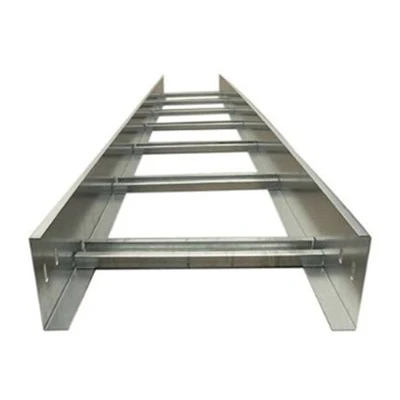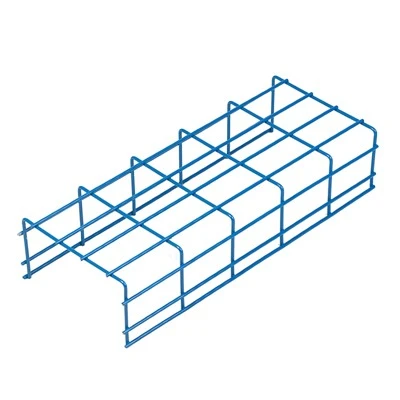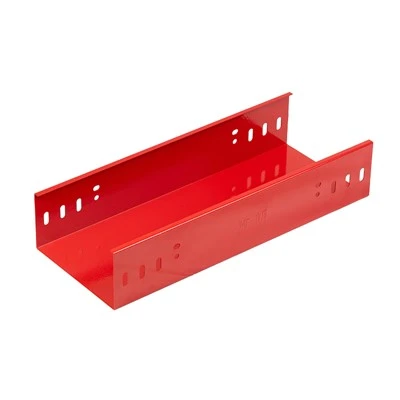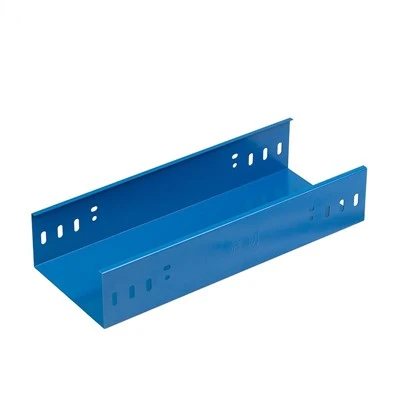

Hey there! As a supplier of Telecom Cable Ladders, I've seen firsthand how important it is to use these ladders safely. In this blog, I'll share some key safety precautions you should take when using a telecom cable ladder.
Pre - Use Checks
Before you even think about climbing a telecom cable ladder, do a thorough inspection. First off, look for any visible damage. Check the rungs to see if there are any cracks or breakages. A cracked rung can give way under your weight, and that's a recipe for disaster. You don't want to be halfway up the ladder and suddenly find yourself falling.
Inspect the side rails too. They should be straight and free from dents or bends. Bent side rails can compromise the stability of the ladder, making it wobbly and unsafe. Also, make sure the joints are secure. Loose joints can cause the ladder to come apart while you're using it.
Another important thing is to check the feet of the ladder. The feet should have good traction. If they're worn out or smooth, the ladder could slip on the surface you're using it on. You can use a ladder anti - slip device if needed. This is especially crucial when working on slippery floors or in wet conditions.
Don't forget to check the load capacity of the ladder. Each telecom cable ladder has a specified weight limit. Make sure that the combined weight of you, your tools, and any equipment you're carrying doesn't exceed this limit. Overloading the ladder is extremely dangerous and can lead to structural failure.
Setup and Placement
Proper setup and placement of the telecom cable ladder are essential for safety. When setting up the ladder, make sure it's on a stable and level surface. Avoid using it on uneven ground, as this can cause the ladder to tip over. If the ground is a bit uneven, you can use adjustable feet or ladder levelers to make it stable.
The angle of the ladder is also critical. A good rule of thumb is that for every four feet of height the ladder reaches, it should be placed one foot away from the wall or structure it's leaning against. This creates a 75 - degree angle, which provides the best balance and stability. If the ladder is too steep or too shallow, it increases the risk of falling.
When placing the ladder against a wall or other structure, ensure that the top of the ladder is securely supported. It should rest firmly against a stable surface, like a wall stud or a beam. Avoid placing it against something that could move or break, such as a flimsy partition.
If you're using an extension ladder, make sure the sections are properly locked in place. You don't want the ladder to collapse while you're climbing it. Double - check the locking mechanisms to ensure they're engaged correctly.
Climbing and Working on the Ladder
When climbing the telecom cable ladder, always face the ladder. This gives you better balance and control. Use both hands to hold onto the rungs as you climb. Don't try to carry large or bulky items in your hands while climbing. Instead, use a tool belt or a rope to hoist your tools up after you're safely on the ladder.
Once you're on the ladder, try to keep your center of gravity within the side rails. Don't lean too far to one side or reach too far. Overreaching can cause the ladder to tip over. If you need to reach something that's out of your immediate reach, move the ladder to a new position instead of stretching.
Never stand on the top few rungs of the ladder. The top rungs are usually not designed to support your full weight, and standing on them can cause the ladder to become unstable. As a general rule, don't stand higher than the third - highest rung from the top.
If you're working on the ladder for an extended period, take breaks. Fatigue can affect your balance and coordination, increasing the risk of an accident. Also, be aware of your surroundings. Watch out for overhead hazards, like electrical wires or tree branches.
Weather Conditions
Weather plays a big role in ladder safety. In wet or icy conditions, the ladder and the surface it's on can become slippery. Avoid using the telecom cable ladder in the rain, snow, or when there's ice on the ground. If you have to work in damp conditions, make sure to use non - slip devices on the ladder feet and wear shoes with good traction.

High winds can also pose a danger. A strong gust of wind can easily knock a ladder over. Check the weather forecast before using the ladder. If it's windy, consider postponing the job or taking extra precautions, such as having someone spot you while you're on the ladder.
Storage
Proper storage of the telecom cable ladder is important for its longevity and safety. Store the ladder in a dry place to prevent rust and corrosion. If the ladder is made of metal, moisture can cause it to weaken over time.
When storing an extension ladder, make sure it's fully retracted. This not only saves space but also reduces the risk of damage to the ladder. You can hang the ladder on a wall or store it horizontally on racks.
Training and Certification
It's a good idea for anyone using a telecom cable ladder to receive proper training. Training can teach you the correct way to inspect, set up, and use the ladder safely. Some workplaces even require employees to be certified in ladder safety.
If you're new to using telecom cable ladders, take the time to learn from experienced workers. They can share tips and tricks that you might not find in a manual.
Our Telecom Cable Ladder Products
At our company, we offer a wide range of high - quality telecom cable ladders, including Aluminum Ladder Cable Tray, Aluminium Cable Ladder, Aluminum Ladder Tray, and Aluminum Extruded Cable Ladder. Our Telecom Cable Ladder is designed with safety and durability in mind.
If you're in the market for a telecom cable ladder, we'd love to have a chat with you. We can provide you with more information about our products, answer any questions you might have, and help you choose the right ladder for your needs. Contact us to start a purchase negotiation, and let's work together to find the perfect telecom cable ladder solution for you.
References
- OSHA Ladder Safety Guidelines
- Manufacturers' Manuals for Telecom Cable Ladders